


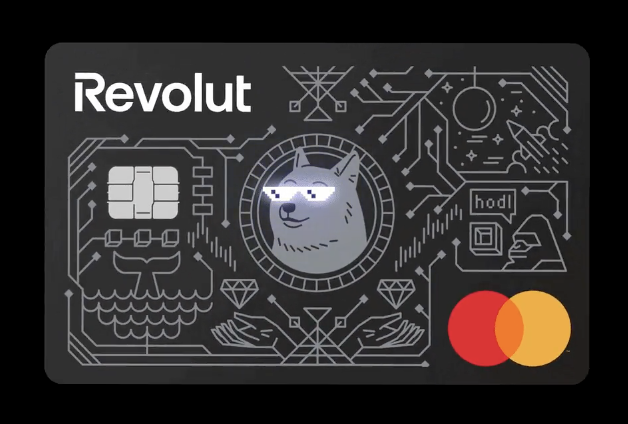
Revolut geht mit der Einführung einer physischen Dogecoin-Debitkarte, die bei kontaktlosen Zahlungen aufleuchtet, noch einen Schritt weiter in Richtung Kryptozahlungen und bringt damit eine der bekanntesten Meme-Währungen des Marktes in den alltäglichen Einzelhandelskauf.
The London based fintech confirmed that the card is rolling out across the United Kingdom and most countries within the European Economic Area. The launch marks Revolut’s first physical crypto branded card and comes as competition among crypto payment providers intensifies across Europe and other major markets.
The new product works on existing Visa and Mastercard payment rails, meaning users can spend anywhere those networks are accepted. Despite the Dogecoin branding, merchants do not receive DOGE directly. Revolut converts the user’s crypto balance into Fiat-Währung at the moment of payment, allowing the transaction to settle like a standard debit card purchase.
The card’s most visible feature is its LED tap-to-pay display, which lights up when users make contactless payments. Revolut appears to be positioning the product as both a functional payment tool and a branding move aimed at crypto native consumers who want a more visible connection to digital assets.
Revolut launched a Dogecoin themed crypto debit card with LED tap-to-pay functionality across the UK and EEA.
Schlüssel zum Mitnehmen
- The card converts users’ crypto balances into fiat instantly using Visa and Mastercard payment networks.
- Dogecoin branding highlights the continued retail popularity and cultural influence of meme coins.
- Spending crypto through the card may trigger taxable events depending on local regulations.
- The launch reflects growing competition among fintech and crypto firms in crypto-powered payments.
Revolut turns crypto balances into spendable payments
Der Start baut auf Revolut’s broader crypto expansion over the last several years. The company first introduced cryptocurrency trading support in 2017 with Bitcoin and has since expanded its offering to more than 280 digital assets.
Users can connect the physical card to different crypto balances within the Revolut app. At checkout, die Platform automatically converts the selected asset into local currency using real-time exchange rates. Revolut said users will not face additional exchange fees beyond the live conversion pricing applied during payment processing.
The company also noted that crypto spending may trigger tax obligations depending on local laws. In several jurisdictions, spending crypto is treated as a taxable disposal event, meaning users could owe capital gains tax if the asset increased in value before the purchase. That tax treatment remains one of the biggest barriers to wider crypto payment adoption, especially for users making frequent low-value transactions.
Dogecoin branding reflects retail crypto culture
Revolut’s decision to use Dogecoin branding is notable given the token’s long standing retail popularity. While Dogecoin was originally created as a joke cryptocurrency, it has remained one of the most recognized digital assets globally due to its online community and repeated endorsements from hochrangige Persönlichkeiten including Elon Musk. The launch does not introduce new functionality to the Dogecoin-Blockchain itself. Transactions made through the card remain off chain because Revolut handles the conversion internally before settlement.
That distinction matters for investors. Increased usage of the card does not directly increase Dogecoin network activity. Instead, each purchase effectively converts crypto holdings into fiat currency, creating sell side pressure within Revolut’s system whenever users spend from DOGE balances.
Dennoch könnte das Branding die Sichtbarkeit von Dogecoin bei den Endverbrauchern stärken, und zwar zu einer Zeit, in der Krypto-Unternehmen zunehmend um die Akzeptanz im breiten Zahlungsverkehr konkurrieren.
Crypto card competition continues to grow
Revolut’s launch arrives as crypto linked card activity continues to rise across the industry. Data referenced by several market reports shows daily crypto card transactions recently surpassed 100,000 on multiple occasions.
Major crypto firms including Coinbase, Crypto.com and Gemini have all expanded their crypto payment card programs over the past year as companies look for ways to connect digital assets with traditional payment infrastructure. The wider industry trend reflects growing interest in using crypto balances for everyday transactions rather than limiting digital assets to trading and speculation.
Revolut has also expanded its crypto services beyond simple buying and selling. In 2025, the fintech integrated Polygon based services into its app, allowing users to access remittances, staking and in-app crypto payments.
The company is simultaneously broadening its banking ambitions. Earlier this year, Revolut secured approval to launch a fully licensed bank in the UK and has also submitted a banking license application in the United States.
Payments infrastructure becomes the next crypto battleground
The Dogecoin card launch highlights how crypto companies and fintech firms are increasingly competing through payment infrastructure rather than blockchain innovation alone. Instead of asking merchants to accept cryptocurrencies directly, firms are relying on existing payment networks while handling conversions behind the scenes. That approach lowers friction for retailers while giving users exposure to crypto linked spending.
For Revolut, the strategy could increase customer engagement and transaction activity within its ecosystem. For the broader market, it signals continued efforts to normalize crypto spending through familiar financial products.
Die langfristigen Auswirkungen auf Dogecoin selbst mögen eher symbolischer als technischer Natur sein, aber die Einführung unterstreicht, wie Meme-Coins weiterhin einen kulturellen und kommerziellen Wert innerhalb der Digital-Asset-Branche besitzen.
Mit der zunehmenden Verbreitung von Krypto-Zahlungsprodukten in Europa und anderen Regionen wird der Erfolg dieser Programme möglicherweise weniger von der Markenbildung abhängen, sondern vielmehr davon, ob es den Unternehmen gelingt, die Umrechnungskosten zu senken, die Steuerberichterstattung zu vereinfachen und die Verwendung digitaler Vermögenswerte so reibungslos wie die Verwendung herkömmlicher Bankkarten zu gestalten.
Keine verwandten Beiträge.