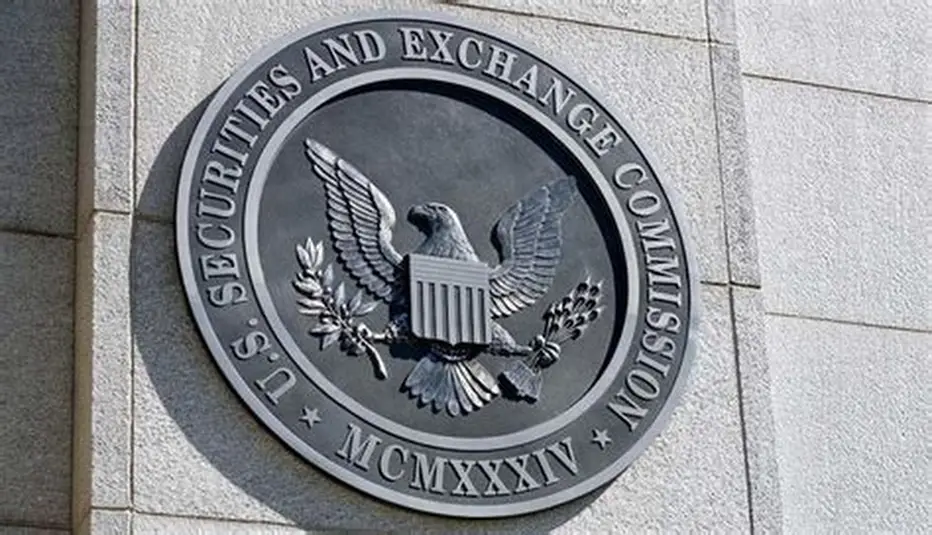
The U.S. Securities and Exchange Commission is preparing a new regulatory framework that could open the door for blockchain-based trading of tokenized stocks, marking one of the clearest signs yet that traditional financial markets and crypto infrastructure are beginning to converge.
According to multiple reports citing people familiar with the matter, the SEC is considering an “innovation exemption” that would allow tokenized versions of publicly traded equities to trade on blockchain platforms under a lighter regulatory structure. The proposal could be unveiled as early as this week.
If implemented, the framework would create a legal pathway for digital representations of stocks to trade outside traditional exchange infrastructure while still operating under SEC oversight. The move comes as Wall Street firms, Kryptowechsel, and financial infrastructure providers accelerate efforts to bring equities onto blockchain rails.
Schlüssel zum Mitnehmen
- SEC may allow blockchain-based trading of tokenized stocks under a new “innovation exemption” framework.
- The proposal could let tokenized equities trade outside traditional exchanges while remaining under SEC oversight.
- Major firms including Nasdaq, DTCC, and NYSE parent ICE are already building tokenized securities infrastructure.
- Tokenized stocks could enable faster settlement, lower costs, and near 24/7 global market access.
- Concerns remain around investor rights, ownership structure, custody standards, and market regulation.
SEC Signals Shift Toward Blockchain-Based Markets
SEK Vorsitzender Paul Atkins recently indicated that the agency is actively exploring rulemaking for blockchain-based trading, settlement, and custody systems. Speaking at the Economic Club of Washington, Atkins argued that existing securities rules were designed for older market structures and may not fully accommodate Blockchain-Netzwerke that combine exchange, clearing, and settlement functions into a single system.
Rather than relying on enforcement actions, Atkins said the SEC intends to provide clearer regulatory standards for tokenized finance through formal policy frameworks. Under the reported proposal, Krypto-Plattformen could potentially offer tokenized equities tied to publicly traded companies such as Tesla, Nvidia, or Alphabet. Some reports suggest third parties may even be allowed to issue tokenized stock products without direct approval from the underlying companies.
However, the structure remains controversial because certain tokenized products may not provide investors with traditional shareholder rights such as voting power or dividend access. Instead, some tokens may simply track the economic value of a stock without representing direct ownership.
Diese Unterscheidung könnte sich in den kommenden Monaten zu einer der größten regulatorischen und rechtlichen Debatten im Zusammenhang mit tokenisierten Aktien entwickeln.
Wall Street Firms Are Already Moving
The SEC’s reported plans arrive as major financial institutions deepen their involvement in tokenization infrastructure. The Depository Trust & Clearing Corporation, which processes the majority of U.S. securities transactions, plans to begin limited production trades involving tokenized assets in July, with broader rollout plans expected later this year.
Die Nasdaq erhielt Anfang dieses Jahres auch die Genehmigung der SEC für ihre eigene Initiative für tokenisierte Wertpapiere, die darauf abzielt, traditionelle Eigentumsrechte zu erhalten und gleichzeitig eine Abwicklung auf Blockchain-Basis zu ermöglichen.
Die Intercontinental Exchange, die Muttergesellschaft der New Yorker Börse, ist ebenfalls in den Wettbewerb eingestiegen, und zwar durch eine Partnerschaft mit der Kryptobörse OKX, die sich auf tokenisierte Wertpapiere und digitale Vermögensprodukte konzentriert.
Together, these initiatives signal that tokenization is no longer confined to crypto native firms. Traditional market operators are now building infrastructure that could eventually support around-the-clock trading and near instant settlement of stocks and exchange traded funds.
Faster Settlement and Global Access
Supporters of tokenized stocks argue that blockchain infrastructure could modernize equity markets by reducing settlement delays, lowering operational costs, and expanding access to investors worldwide.
Traditional U.S. stock trades currently settle on a T+1-Basis, meaning transactions finalize one business day after execution. Blockchain-based systems could potentially reduce settlement times to near instant completion while also supporting continuous trading outside standard market hours.
Proponents also argue tokenized equities could broaden access to U.S. financial markets for users who lack access to traditional brokerage systems. The growth of real world asset tokenization reflects that momentum. Industry data from RWA.xyz shows tokenized asset markets now account for roughly $1.4 billion in value spread across more than 2,200 assets, with transfer volumes climbing sharply over the past month.
Industry Concerns Remain
Despite growing enthusiasm, the proposal has also sparked concern among parts of the financial industry. Brett Redfearn, president of tokenization platform Securitize, warned that allowing third parties to tokenize equities without issuer involvement could create fragmentation and uncertainty around shareholder rights.
Kritiker argumentieren, dass Anleger Schwierigkeiten haben könnten, vollständig zu verstehen, was sie tatsächlich besitzen, wenn tokenisierte Produkte lediglich ein synthetisches Engagement in Aktienkursen anstatt rechtlicher Eigentumsansprüche bieten.
Es bestehen weiterhin Fragen hinsichtlich der Verwahrungsstandards, der Offenlegungspflichten, der Rechtskraft von Abrechnungen und der Aufsichtsverantwortung für Plattformen, die tokenisierte Wertpapiere anbieten.
Es wird erwartet, dass die SEC von tokenisierten Produkten ähnliche Berichtspflichten und Transparenzvorschriften verlangen wird wie von traditionellen Wertpapiermärkten.
Crypto Policy Momentum Builds in Washington
The tokenized stock proposal arrives during a broader shift in U.S. crypto policy. Earlier this month, the Senate Banking Committee advanced the CLARITY Act, legislation aimed at establishing clearer regulatory rules for digital assets and crypto market structure.
Several industry figures have argued that traditional financial institutions are unlikely to fully embrace tokenization without clearer federal frameworks governing ownership rights, custody, and market oversight. The SEC’s reported innovation exemption suggests regulators are now moving toward formal integration of blockchain infrastructure into mainstream capital markets rather than treating digital assets as a parallel system operating outside traditional finance.
If adopted, the framework could become one of the most significant structural changes to U.S. securities markets in decades.
Sowohl für die Wall Street als auch für die Kryptoindustrie wird die Botschaft immer schwerer zu ignorieren: Die Tokenisierung rückt immer näher an den Finanzmarkt heran.
Keine verwandten Beiträge.