

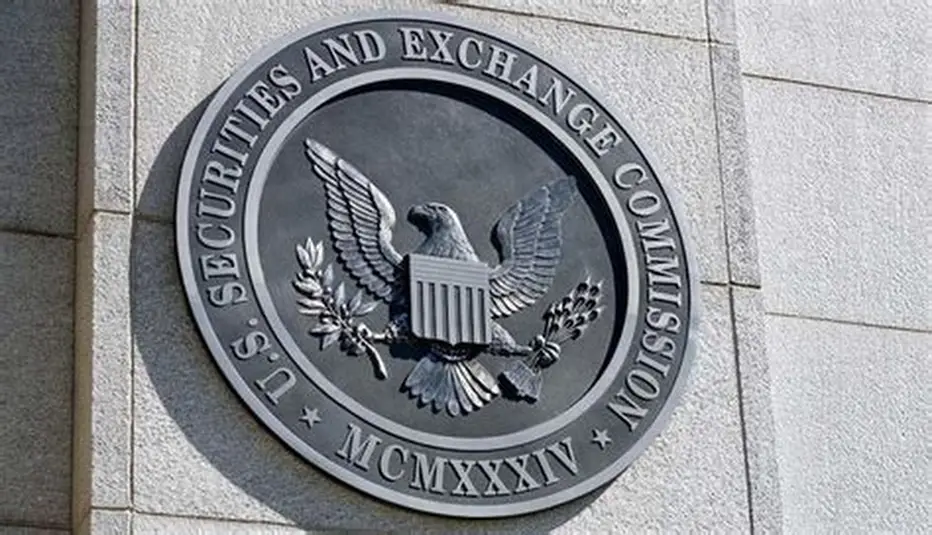
The U.S. Securities and Exchange Commission is preparing a new regulatory framework that could open the door for blockchain-based trading of tokenized stocks, marking one of the clearest signs yet that traditional financial markets and crypto infrastructure are beginning to converge.
According to multiple reports citing people familiar with the matter, the SEC is considering an “innovation exemption” that would allow tokenized versions of publicly traded equities to trade on blockchain platforms under a lighter regulatory structure. The proposal could be unveiled as early as this week.
If implemented, the framework would create a legal pathway for digital representations of stocks to trade outside traditional exchange infrastructure while still operating under SEC oversight. The move comes as Wall Street firms, intercambios criptográficos, and financial infrastructure providers accelerate efforts to bring equities onto blockchain rails.
Conclusión clave
- SEC may allow blockchain-based trading of tokenized stocks under a new “innovation exemption” framework.
- The proposal could let tokenized equities trade outside traditional exchanges while remaining under SEC oversight.
- Major firms including Nasdaq, DTCC, and NYSE parent ICE are already building tokenized securities infrastructure.
- Tokenized stocks could enable faster settlement, lower costs, and near 24/7 global market access.
- Concerns remain around investor rights, ownership structure, custody standards, and market regulation.
SEC Signals Shift Toward Blockchain-Based Markets
SEG Presidente Paul Atkins recently indicated that the agency is actively exploring rulemaking for blockchain-based trading, settlement, and custody systems. Speaking at the Economic Club of Washington, Atkins argued that existing securities rules were designed for older market structures and may not fully accommodate redes blockchain that combine exchange, clearing, and settlement functions into a single system.
Rather than relying on enforcement actions, Atkins said the SEC intends to provide clearer regulatory standards for tokenized finance through formal policy frameworks. Under the reported proposal, plataformas criptográficas could potentially offer tokenized equities tied to publicly traded companies such as Tesla, Nvidia, or Alphabet. Some reports suggest third parties may even be allowed to issue tokenized stock products without direct approval from the underlying companies.
However, the structure remains controversial because certain tokenized products may not provide investors with traditional shareholder rights such as voting power or dividend access. Instead, some tokens may simply track the economic value of a stock without representing direct ownership.
Esa distinción podría convertirse en uno de los mayores debates regulatorios y legales en torno a las acciones tokenizadas en los próximos meses.
Wall Street Firms Are Already Moving
The SEC’s reported plans arrive as major financial institutions deepen their involvement in tokenization infrastructure. The Depository Trust & Clearing Corporation, which processes the majority of U.S. securities transactions, plans to begin limited production trades involving tokenized assets in July, with broader rollout plans expected later this year.
Nasdaq también recibió la aprobación de la SEC a principios de este año para su propia iniciativa de valores tokenizados, diseñada para preservar los derechos de propiedad tradicionales al tiempo que permite la liquidación basada en blockchain.
Intercontinental Exchange, la empresa matriz de la Bolsa de Nueva York, también se ha sumado a la competencia mediante una asociación con la plataforma de intercambio de criptomonedas OKX, centrada en valores tokenizados y productos de activos digitales.
Together, these initiatives signal that tokenization is no longer confined to crypto native firms. Traditional market operators are now building infrastructure that could eventually support around-the-clock trading and near instant settlement of stocks and exchange traded funds.
Faster Settlement and Global Access
Supporters of tokenized stocks argue that blockchain infrastructure could modernize equity markets by reducing settlement delays, lowering operational costs, and expanding access to investors worldwide.
Traditional U.S. stock trades currently settle on a Base T+1, meaning transactions finalize one business day after execution. Blockchain-based systems could potentially reduce settlement times to near instant completion while also supporting continuous trading outside standard market hours.
Proponents also argue tokenized equities could broaden access to U.S. financial markets for users who lack access to traditional brokerage systems. The growth of real world asset tokenization reflects that momentum. Industry data from RWA.xyz shows tokenized asset markets now account for roughly $1.4 billion in value spread across more than 2,200 assets, with transfer volumes climbing sharply over the past month.
Industry Concerns Remain
Despite growing enthusiasm, the proposal has also sparked concern among parts of the financial industry. Brett Redfearn, president of tokenization platform Securitize, warned that allowing third parties to tokenize equities without issuer involvement could create fragmentation and uncertainty around shareholder rights.
Los críticos argumentan que a los inversores les puede resultar difícil comprender plenamente lo que realmente poseen si los productos tokenizados solo ofrecen una exposición sintética a los precios de las acciones en lugar de derechos de propiedad legales.
También subsisten interrogantes en torno a los estándares de custodia, los requisitos de divulgación, la firmeza de las liquidaciones y las responsabilidades de supervisión de las plataformas que ofrecen valores tokenizados.
Se prevé que la SEC exija que los productos tokenizados cumplan con obligaciones de información y transparencia similares a las que rigen los mercados de valores tradicionales.
Crypto Policy Momentum Builds in Washington
The tokenized stock proposal arrives during a broader shift in U.S. crypto policy. Earlier this month, the Senate Banking Committee advanced the CLARITY Act, legislation aimed at establishing clearer regulatory rules for digital assets and crypto market structure.
Several industry figures have argued that traditional financial institutions are unlikely to fully embrace tokenization without clearer federal frameworks governing ownership rights, custody, and market oversight. The SEC’s reported innovation exemption suggests regulators are now moving toward formal integration of blockchain infrastructure into mainstream capital markets rather than treating digital assets as a parallel system operating outside traditional finance.
If adopted, the framework could become one of the most significant structural changes to U.S. securities markets in decades.
Tanto para Wall Street como para la industria de las criptomonedas, el mensaje es cada vez más difícil de ignorar: la tokenización se está integrando cada vez más en el sistema financiero convencional.
No hay entradas relacionadas.