


Turkey’s Ruling AK Party Proposes a 10% Tax on Crypto Gains

Turkey’s ruling Justice and Development Party (AK Party) has introduced draft legislation that would impose a 10% withholding tax on cryptocurrency gains and a separate transaction levy on crypto service providers, marking the country’s most decisive step yet toward formal taxation of digital assets. The bill, submitted to parliament on Monday, requires regulated crypto platforms to deduct 10% from profits and gains generated through crypto-asset transactions on a quarterly basis. In addition, crypto asset service providers would be subject to a 0.03% transaction tax on sale and transfer operations they execute or mediate. If passed, the law would take effect two months after its official publication, giving exchanges and investors limited time to adjust to the new compliance framework. Key Takeaways A Withholding Model With Presidential Flexibility Under the proposal, the 10% tax would apply uniformly to both individuals and corporations trading on licensed platforms governed by Turkey’s capital markets framework. Rather than relying solely on annual self-reporting, the draft adopts a withholding model, shifting collection responsibility to platforms themselves. The legislation also grants the president authority to adjust the tax rate within a 0% to 20% range. Adjustments could depend on factors such as the type of token, the holding period, or the nature of the issuing entity. This mechanism provides policymakers with room to tighten or loosen the tax burden in response to market conditions. Profits derived from crypto transactions conducted outside authorized domestic platforms would not escape taxation. Instead, investors trading on foreign or unlicensed exchanges would be required to declare those gains separately in their annual filings. A 0.03% Levy on Service Providers Beyond taxing investor gains, the proposal introduces a 0.03% transaction tax on crypto asset service providers. This levy would apply to the value of sales and transfers they carry out or facilitate. While small in percentage terms, the measure ensures the infrastructure supporting crypto trading contributes directly to public revenue. For high-volume exchanges, even a fractional fee could translate into significant fiscal inflows given Turkey’s trading scale. Crypto Adoption Surges Amid Economic Pressure Turkey’s move comes against the backdrop of soaring crypto adoption driven by high inflation and persistent depreciation of the lira. Digital assets have become a popular hedge for retail investors seeking protection from currency volatility. According to a 2025 report by U.S.-based blockchain analytics firm Chainalysis, Turkey ranks among the global leaders in cryptocurrency adoption and transaction activity. Annual trading volumes have reached nearly $200 billion this year, far exceeding other markets in the region. This rapid growth has intensified calls for regulatory clarity. Turkish authorities have progressively tightened oversight of crypto platforms in recent years, focusing on licensing requirements, consumer protection, and compliance with anti-money laundering standards. The new tax proposal signals a shift from oversight alone to full fiscal integration. Concerns Over Market Impact Not everyone is convinced the timing is right. Erdamar warned that imposing taxes before the sector fully matures could discourage participation in local platforms. Critics argue that higher compliance costs may drive traders toward offshore exchanges or decentralized alternatives. They also caution that increased friction could dampen retail enthusiasm in a market that has been fueled largely by individual investors rather than institutions. Aligning With Global Trends Turkey’s proposal aligns with a broader global shift toward formal crypto taxation. The United States treats digital assets as property subject to capital gains tax, with rates that can reach up to 37% depending on income and holding period. Germany exempts crypto profits if assets are held for more than one year, while the United Kingdom applies capital gains rates between 10% and 20%. Singapore, by contrast, does not impose capital gains tax unless trading constitutes a business activity. Turkey’s flat withholding approach stands out for its simplicity. By collecting taxes at the platform level, authorities aim to minimize evasion and administrative complexity. The adjustable rate feature also provides flexibility not commonly seen in early-stage crypto tax frameworks. The initiative may also support Turkey’s broader financial policy objectives. Strengthening oversight and tax compliance in digital assets could bolster its standing with international monitoring bodies and demonstrate progress in financial transparency. What Comes Next Parliamentary debate will determine the final shape of the bill. Amendments could refine technical details, including reporting standards, exemptions, or implementation timelines. For exchanges operating in Turkey, preparation is already urgent. Systems will need to handle quarterly withholding calculations, reporting obligations, and remittance procedures. Investors, meanwhile, may reassess trading strategies in light of the new cost structure. The proposal marks a turning point for one of the world’s most active retail crypto markets. By introducing a 10% withholding tax and a transaction levy on service providers, the AK Party is signaling that digital assets are no longer operating in a regulatory gray zone. Whether the move strengthens the market through clarity or slows its momentum through added costs will depend on how traders, platforms, and policymakers respond in the months ahead.
South African Revenue Service Activates CARF, Bringing Crypto and Offshore Accounts Under Global Transparency Rules
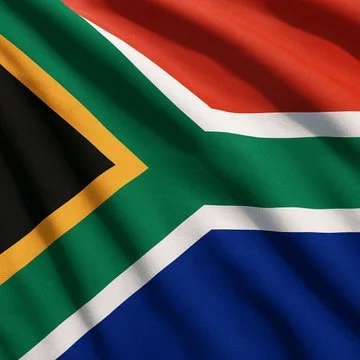
South Africa has formally switched on the Crypto-Asset Reporting Framework (CARF), placing cryptocurrency holdings and certain offshore accounts within a new global tax transparency regime. The move, confirmed by the South African Revenue Service (SARS), signals a decisive tightening of oversight on cross-border crypto activity. In a recent public communication, SARS stated that it will begin applying the OECD-backed reporting standard to digital assets. The framework requires crypto-asset service providers to collect and share detailed information on users’ holdings and cross-border transactions with tax authorities. The activation of CARF aligns South Africa with a growing group of jurisdictions adopting the Organisation for Economic Co-operation and Development’s global system for automatic information exchange on crypto assets. For investors holding digital assets abroad, the change significantly reduces the room for non-disclosure. Key Takeaways What CARF Changes for Crypto Investors CARF was developed by the OECD to close reporting gaps that emerged as cryptocurrencies gained mainstream adoption. It mirrors the structure of the Common Reporting Standard (CRS), which already governs the exchange of financial account information between tax authorities. While CRS covers traditional bank and investment accounts, CARF extends similar obligations to crypto assets, including cryptocurrencies, stablecoins, and certain tokenized instruments. Crypto exchanges and other service providers operating in participating countries must now gather verified identity data, track transactions, and submit reports that may be automatically shared with foreign tax authorities. For South African taxpayers, this means offshore crypto accounts will no longer sit outside formal reporting systems. SARS will be able to receive data from partner jurisdictions where South Africans hold digital assets. The framework itself does not create a new tax. Instead, it strengthens enforcement of existing tax laws by increasing visibility. That distinction is crucial: compliance obligations remain rooted in South Africa’s current tax code, but enforcement capacity has expanded. Capital Gains Tax Still Applies Under South Africa’s existing tax framework, crypto profits are subject to Capital Gains Tax (CGT) when assets are disposed of. Currently, 40% of an individual’s capital gain is included in taxable income. Depending on the taxpayer’s marginal rate, the effective CGT burden can reach up to 18%. With CARF in force, undeclared gains from offshore exchanges or foreign-based crypto platforms may become easier for SARS to identify. Tax practitioners expect greater scrutiny of high-value transactions, frequent trading activity, and discrepancies between declared income and reported digital asset movements. Taxable events in South Africa generally include selling crypto for fiat currency, exchanging one digital asset for another, and using crypto to purchase goods or services. Income from staking, mining, or airdrops may also fall within taxable categories, depending on circumstances. Budget Season Adds Political Context The timing of the announcement is notable. Parliament is currently reviewing the national fiscal framework following the presentation of the budget by Finance Minister Enoch Godongwana. The Select Committee on Finance is assessing revenue projections, expenditure plans, and borrowing requirements. Lawmakers have emphasized that public participation remains central to the budget process. Decisions at the national level directly affect provinces, municipalities, and local development spending. Against this backdrop, strengthening tax compliance mechanisms—particularly in emerging sectors such as digital assets—supports the government’s revenue objectives. As crypto adoption rises among South African retail and institutional investors, bringing digital wealth into structured reporting systems may improve revenue collection accuracy. Offshore Accounts Under Combined Scrutiny South Africa already participates in the Common Reporting Standard, which facilitates the exchange of information on foreign financial accounts. With CARF now active, crypto holdings effectively join traditional offshore accounts under parallel transparency regimes. The combined operation of CRS and CARF significantly narrows the opportunity for undisclosed foreign wealth. A taxpayer holding a bank account in one jurisdiction and a crypto exchange account in another may now face reporting visibility across both asset classes. SARS has spent recent years upgrading its data analytics and international cooperation capabilities. The integration of crypto reporting into these systems reflects a broader modernization strategy aimed at combating tax evasion and illicit financial flows. Compliance Pressure on Exchanges Crypto exchanges and fintech companies operating in South Africa are expected to update onboarding processes, strengthen identity verification, and implement standardized reporting tools to meet CARF obligations. Larger platforms with established compliance infrastructure may adapt more easily. Smaller operators, however, could face increased operational costs tied to system upgrades and regulatory reporting requirements. From an industry perspective, regulatory clarity can also provide long-term benefits. Institutional investors often demand well-defined compliance frameworks before entering a market at scale. Standardized reporting may therefore reduce uncertainty while increasing oversight. Data Security Questions Remain As automatic information exchange expands, concerns about data protection persist. Financial data shared between jurisdictions must be handled under strict confidentiality protocols to prevent misuse or unauthorized access. Authorities maintain that information exchanges occur within established legal frameworks and include safeguards designed to protect taxpayer data. Even so, privacy advocates are likely to continue monitoring the implementation of global reporting standards. A Structural Shift in Digital Finance Oversight South Africa’s activation of CARF signals more than a routine regulatory update. It represents a structural integration of digital assets into the global tax architecture. As crypto markets mature and digital portfolios become more common among retail investors, regulators are moving to ensure that digital wealth is treated similarly to traditional financial holdings. The informal perception that crypto transactions operate beyond government reach is steadily fading. For South African taxpayers, the message is clear: digital assets, whether held locally or offshore, fall squarely within the tax system’s scope. Proactive compliance—accurate record-keeping, proper reporting of gains, and full disclosure of foreign accounts—will be increasingly important. The coming implementation phases will determine how efficiently exchanges and taxpayers adapt to the new framework. What is certain is that cross-border crypto transparency is no longer theoretical. With CARF now active, SARS has positioned itself within a coordinated global effort to ensure that digital finance operates under the same reporting expectations as the traditional financial system.