


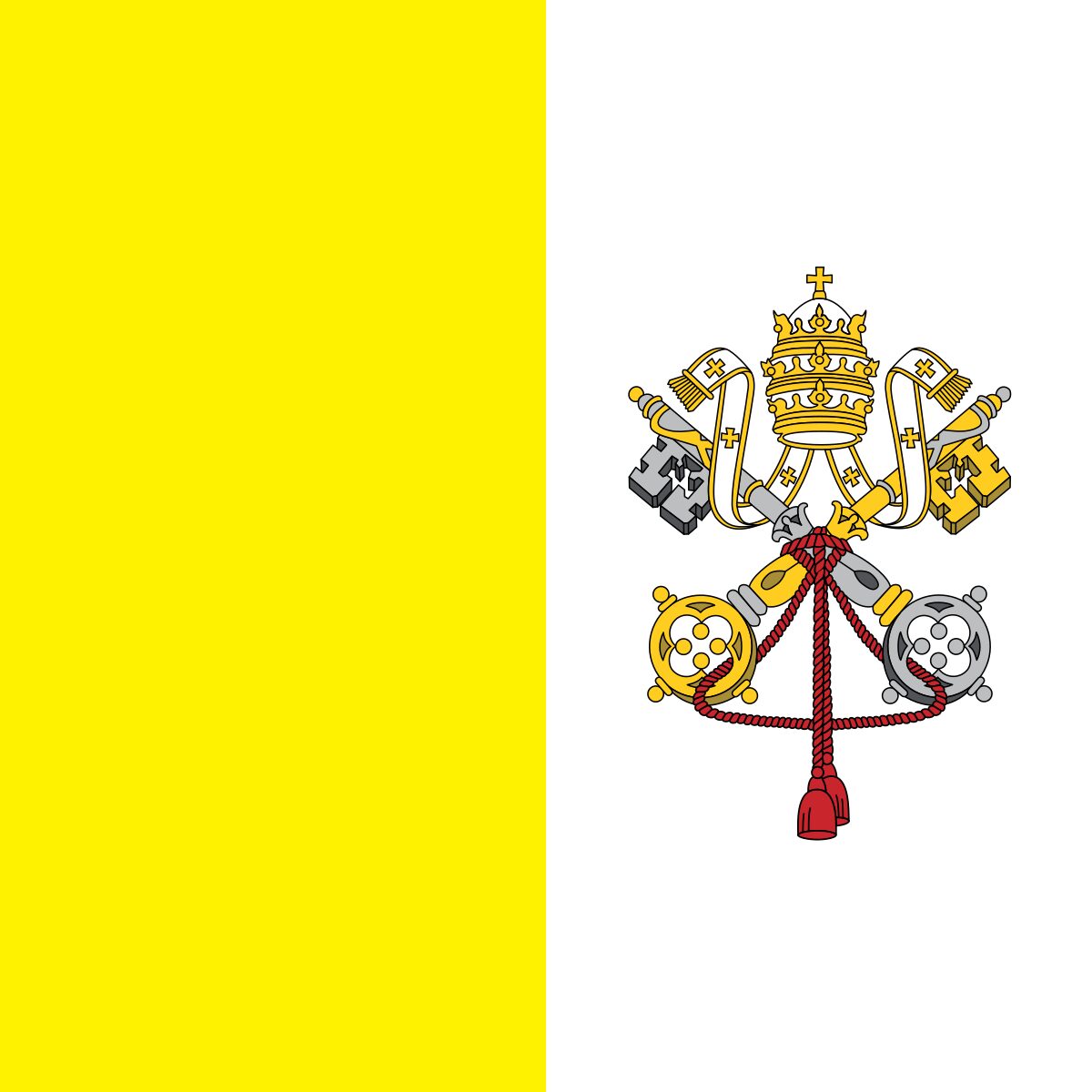
The Current State of Vatican City’s Economy
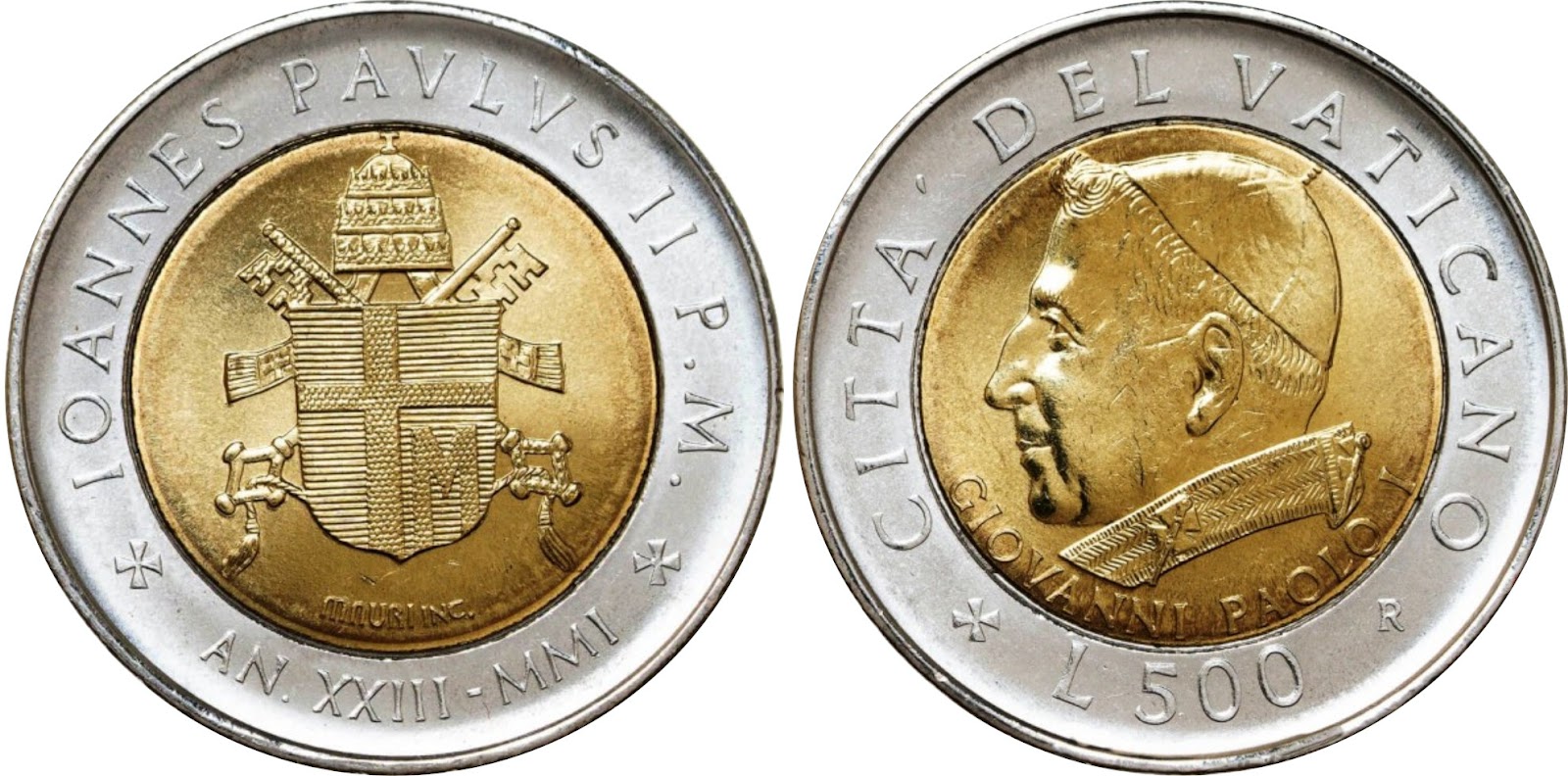
Source: Wikipedia Commons
The economy of Vatican City is an improbable hybrid: a 110-acre micro-state that bankrolls the worldwide governance of the Roman Catholic Church. Unlike traditional nations, its revenue is not derived from taxes or industrial exports but from the faith and interest of a global community.
Most of the funding for the Holy See’s bureaucracy comes from the Peter’s Pence appeal. In 2024, this collection raised over €50 million, marking an 11 percent rise that ended a pandemic-era decline.
Additionally, subsidies from dioceses in the United States and Germany contribute tens of millions more, covering roughly a quarter of the annual budget.
Tourism remains the Vatican’s primary “export.” In 2024, the Vatican Museums welcomed approximately 7 million visitors, with ticket and souvenir sales approaching $100 million.
Vatican City is the smallest country nestled west of the Tiber River. It is landlocked within Rome, Italy, and home to the Roman Catholic Church. Vatican City has fewer than a thousand people but over five million tourists yearly. Hence, tourism contributes majorly to its GDP.
Other significant sources of revenue for the country are selling stamps, coins, and medals. As of 2023, Vatican City’s GDP was about $21 million. However, its GDP per capita is $21,198, making it one of the wealthiest countries by capital in the world.
The State of Crypto Adoption in Vatican City

Source: Medium
Vatican City is the smallest country in the world, with under 1,000 citizens, most of which are Catholics. The Vatican’s potential ethical concerns regarding cryptocurrency are partially true. The nation has shown interest in blockchain technology, particularly its potential to preserve cultural heritage.
NTT DATA Italia has joined hands with the Vatican Library, using its digital archive service, AMLAD, to store historic documents.
The Vatican Library has partnered with NTT DATA Italia to use blockchain technology to preserve its vast collection of manuscripts. However, not much is said regarding using cryptocurrency as a payment method. Nonetheless, those at Vatican City are free to store and trade crypto assets. While the government hasn’t provided regulations, it is not banned.
Crypto Laws in Vatican City
Source: Flickr
Vatican City doesn’t truly have its specific cryptocurrency laws. Its Central Bank hasn’t issued specific regulations or guidelines regarding cryptocurrency. This lack of direct regulation has created some ambiguity, but Italy has cryptocurrency regulations, which could indirectly impact cryptocurrency activities within Vatican City.
It’s important to note that the Vatican has shown interest in blockchain technology, particularly its potential to preserve cultural heritage. However, the government’s stance on cryptocurrency remains cautious due to concerns about potential risks and ethical implications.
Taxation of Cryptocurrency in Vatican City

Source: Needpix
Vatican City has no form of taxation. Its citizens are free from all taxes, from income to crypto taxes. Citizenship is granted to those who work for the Vatican and it revoked at the end of their appointment. As it stands, citizens can engage in all forms of financial activities without taxes.
Challenges to Cryptocurrency Adoption in Vatican City

Source: FreeMalaysia
“Given the Vatican’s mass investments in artifacts, gold, and its dependence on tourism, the Vatican’s economy is extremely volatile. (Cerullo, 2021)”
Cryptocurrency can help diversify Vatican City’s economy, but why doesn’t it have widespread adoption? This section addresses the challenges behind crypto adoption in the Holy See.
Lack of Financial Literacy
The Vatican has shown interest in blockchain technology, particularly for its potential to preserve cultural heritage; there may be a general lack of financial literacy regarding cryptocurrency among the Vatican’s population; it’s not entirely accurate to attribute this solely to religious beliefs or complete disinterest in modern financial technologies.
Absence of Government Approval
While the Vatican City Government hasn’t made an official statement directly supporting or opposing cryptocurrency, they have expressed concerns about its potential use in illegal activities like money laundering and human trafficking. The Vatican has called for international regulation to address these risks.
Public Perception
The Vatican hasn’t fully embraced cryptocurrency but is interested in blockchain technology. Blockchain can help protect and preserve important cultural items, like manuscripts. While the Vatican remains cautious regarding cryptocurrency, it seems open to using blockchain for positive purposes.
Potential Benefits of Crypto Adoption in Vatican City

Source: Wikimedia Commons
Vatican City is a country in need of multiple revenue streams, and cryptocurrency can be one of them. However, let’s dive deeper into the possible benefits of the country adopting cryptocurrency.
Financial Inclusion
“Cryptocurrencies could provide a significant benefit by overcoming the lack of social trust and by increasing access to financial services (Nakamoto, 2008).”
Cryptocurrency promotes widespread financial inclusion. It is easy to get started on most platforms. Hence, it supports rapid registration. This way, anyone can sign up and start transactions, leading to financial inclusion across the board. It eliminates the need for banks, as cryptocurrency allows you to be your bank.
Quicker Transactions
Cryptocurrency eliminates the need for excessive wait times. Once you process a transaction, it is done in under a minute. This feat is one of the significant perks of cryptocurrency and sets it apart from contemporary banking.
Potential Investment
Cryptocurrency has lots of investment potential, from DeFi to Mining. Citizens can buy and sell crypto tokens for a profit. It is also possible to replicate typical financial services such as lending and borrowing and make a profit. Undoubtedly, cryptocurrency offers a country an opportunity to increase its living standards.
Conclusion
Vatican City is a small country with a population of not up to 1,000 citizens and a decent percentage in the Catholic Church. Vatican City has shown interest in using blockchain technology to store heritage. Also, the Vatican representative, Msgr. Urbanczyk has called for regulations on and offshores, but it remains ambiguous if anything has happened.
The economy remained fixed on how it makes money, such as tourism. It is still being determined if the country will ever try more radical ways to improve its economy. However, crypto adoption in Vatican City remains a grey area for now. Of course, we will update occasionally, but we are not promising anything.
Frequently Asked Questions
Why Has Vatican City Not Adopted Crypto Yet?
One primary reason is that the country’s government has refused to address it, which makes many skeptical. Hence, citizens of Vatican City would rather avoid digital currency. Moreover, Vatican City is seen as mundane, contributing to ethical concerns.
Can I Trade Crypto in Vatican City?
Of course! The country has no restrictions, so you can buy various tokens and trade them as a citizen of Vatican City.
What is the Crypto Tax in Vatican City?
It is zero! The country doesn’t impose any form of tax, including crypto tax. Hence, citizens can transact as they should without worrying about tax fraud.
Frequently Asked Questions
Why Has Vatican City Not Adopted Crypto Yet?
One primary reason is that the country’s government has refused to address it, which makes many skeptical. Hence, citizens of Vatican City would rather avoid digital currency. Moreover, Vatican City is seen as mundane, contributing to ethical concerns.
Can I Trade Crypto in Vatican City?
Of course! The country has no restrictions, so you can buy various tokens and trade them as a citizen of Vatican City.
What is the Crypto Tax in Vatican City?
It is zero! The country doesn’t impose any form of tax, including crypto tax. Hence, citizens can transact as they should without worrying about tax fraud.


