



Economic Situation in Haiti

The country has seen its economy shrink for six straight years, with GDP contracting by 4.2% in 2024. People are struggling with high prices – inflation moderated to 25.8% in 2024, though food inflation remained persistently high at 34.7% on average, making it hard for families to buy necessities.
More than a third of Haitians live on less than $2.15 per day, and the country heavily depends on money sent home by Haitians living abroad ($4.3 billion in 2023). An estimated 37.6% of Haitians live on less than $2.15/day (2017 PPP) in 2025.
Tax revenues dropped from 6.3% to 5.2% of GDP, though a tight fiscal stance and strong remittance inflows helped stabilize the gourde and reduce inflation.
In 2025, GDP is forecast to contract by 2.0 percent as political uncertainty and gang violence depress private investment and high inflation dampens private consumption. Modest GDP growth is projected by 2026 as investment increases from a low baseline, assuming modest improvements on the political and security fronts.
Regarding cryptocurrency’s potential role, while it could offer some benefits, we should be careful about presenting it as a solution given Haiti’s complex challenges. Crypto might help in a few specific ways: it could make it cheaper and faster for Haitians abroad to send money home compared to traditional remittance services.
This matters because remittances are a crucial source of income for many Haitian families. Additionally, in a country where many people don’t have bank accounts, cryptocurrencies could provide a way to store and transfer value without needing traditional banking infrastructure.
Despite the economic challenges faced by Haiti, there is a growing interest in cryptocurrencies as a means to overcome financial instability and promote financial inclusion.
The State of Crypto Adoption in Haiti

In 2025, the crypto market in Haiti is valued at $5.7 million, but it’s expected to grow modestly to $5.8 million by 2026 at an annual growth rate (CAGR 2025-2026) of 3.30%. Around 3.25% of Haiti’s population uses cryptocurrencies, which means about 400,440 people will be crypto users by 2026.
Each user typically spends about $14.6 on crypto in 2025. Haitians are turning to cryptocurrencies as a possible solution to their country’s financial problems.
According to Iwa Salami, co-director of the FinTech Center at the University of East London, a substantial 68% of Haitians lack access to traditional banking services.
This makes sense given Haiti’s history of economic instability – crypto offers Haitians a way to protect their money when traditional banking might be difficult to access. The fact that people are adopting crypto despite the country’s economic challenges shows that Haitians are looking for new ways to handle their money and join the digital economy.
Crypto Law in Haiti
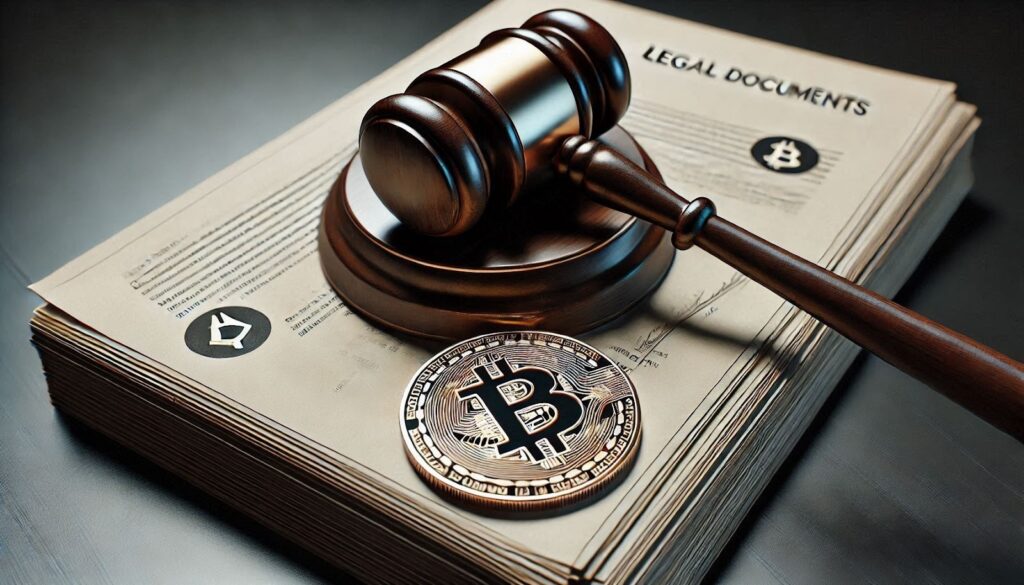
Haiti currently doesn’t have any specific laws or rules about cryptocurrency. This means there’s no clear legal framework telling people what they can or can’t do with crypto in the country.
While this makes crypto’s legal status somewhat unclear, it doesn’t mean crypto is illegal – the country is considered “neutral” on the topic.
The government has shown some interest in digital currency, with the Haitian Central Bank announcing plans in 2019 to create its digital currency, though this hasn’t happened yet.
Despite the lack of regulations, Haiti is seeing growing interest in blockchain technology, with various projects popping up in areas like agriculture and education.
For example, projects like AgriLedger and the Blockchain Cotton Project are using blockchain to help farmers, even without formal crypto laws in place.
Challenges to Crypto Adoption in Haiti

Crypto adoption in Haiti faces several challenges, including:
Unclear Regulatory Status
Haiti lacks a comprehensive legislative framework specifically tailored to cryptocurrencies. The existing financial and monetary laws do not explicitly address the unique dynamics of digital currencies, leading to a regulatory grey area.
Interest in Financial Inclusion
Despite the challenges, there is a noticeable interest in cryptocurrencies among the Haitian population, especially as a potential tool for remittances and financial inclusion. Many Haitians lack access to traditional banking services, and digital currencies could offer an alternative means of financial transactions and savings.
Technological Barriers
Limited technological infrastructure and a widespread lack of digital literacy pose significant barriers to the widespread adoption of cryptocurrencies. Improving digital literacy and infrastructure is crucial for increasing cryptocurrency adoption.
Potential Benefits of Crypto Adoption in Haiti

Embracing cryptocurrencies in Haiti could lead to several potential benefits:
Financial Inclusion
Cryptocurrencies can provide financial services to the unbanked and underbanked populations. In Haiti, where access to traditional banking is limited, digital currencies can enable people to save, transfer, and manage money more easily using just a smartphone.
Remittances
A significant portion of Haiti’s economy relies on remittances from abroad. Cryptocurrencies can offer a faster and cheaper alternative for transferring money across borders, reducing transaction fees and time delays typically associated with traditional remittance services.
Economic Resilience
Cryptocurrencies can act as a hedge against local currency devaluation and economic instability. By offering an alternative store of value, they can provide financial stability during periods of economic uncertainty.
Conclusion
While crypto offers some promising benefits for Haiti, particularly for sending money from abroad and helping people who don’t have bank accounts, it’s not a magic solution to the country’s problems.
Haiti faces big challenges like political instability, gang violence, and poor infrastructure that crypto alone can’t fix. Still, with about 3.25% of Haitians already using cryptocurrencies, there’s clearly interest in digital money solutions.
For crypto to truly help Haiti, the country needs clear rules about how to use it, better internet access, and education about digital money.
To accelerate growth and reduce poverty, progress on security, credible elections, and investment in governance, infrastructure, and human capital are needed. Improved disaster risk management and a stronger social contract will be critical to reversing fragility and enabling sustainable development.


