



Russia
Economic Situation in Russia

Source: Freepik
The Russian economy is navigating a complex period of transition in 2025. Following strong growth in 2024, the economy expanded by 1.2% year-on-year in the first half of 2025. This deceleration reflects a weakening in aggregate demand and the impact of sustained high borrowing costs.
Inflation, which remains a primary policy challenge, started to edge down in early 2025 but remains considerably above the central bank’s target. The economic landscape continues to be shaped by the ongoing conflict in Ukraine and the resulting international sanctions, which have restricted access to foreign technology and traditional dollar-denominated trade rails. This isolation has been a primary catalyst for the government’s pivot toward integrating digital assets into the national financial system.
The following data points highlight the current scale and trajectory of the Russian crypto market:
- GDP Performance: The 1.2% growth in H1 2025 is supported by previous fiscal stimuli amounting to 11% of GDP over the last three years, though this model faces sustainability challenges.
- Sanctions Impact: Several Russian banks remain blocked from the SWIFT messaging system, driving a surge in “real crypto” demand for B2B transactions.
- Investment Limits: Lawmakers have discussed a $4,000 (approximate) annual cap on crypto purchases for non-qualified retail investors to mitigate risk.
- Institutional Access: The Ministry of Finance and the Central Bank have reached an impasse-breaking agreement to allow regulated trading, moving away from previous calls for a total China-style ban.
Current state of Cryptocurrency Adoption in Russia

Despite its complex, strict, and complicated rules, Russia is thriving in cryptocurrency. In 2025, it ranked 10th on the Chainalysis Global Adoption Index.
More Russians are using Bitcoin, Ethereum, and other digital currencies as an alternative to traditional banking, especially as Western sanctions impact the economy
In July 2020, Vladimir Putin approved a law allowing cryptocurrency transactions in Russia, although banks don’t offer Bitcoin services and crypto isn’t used for public payments yet, more people in Russia are getting involved in the industry.
Here are some key details about the new law. Crypto owners in Russia must report their transactions and wallet balances to tax authorities if their yearly transactions exceed 600,000 rubles ($7,757).
Individual cryptocurrency miners won’t need to register with the government if they keep their energy use under a set limit. However, they must sell their earnings only on approved Russian platforms.
Falling to report crypto transactions twice in three years or giving false information to Russian tax authorities constitutes a serious crime.
If someone doesn’t report crypto transactions worth 45 million rubles ($615,000) or more in two out of three years, they could face:
- A fine of 500,000 to 2 million rubles
- Up to five years of forced labor
- Prison time from 18 months to five years
For smaller unreported amounts, penalties include fines, forced labor, and shorter jail time.
Banks and exchanges are allowed to manage digital financial assets (DFAs) if they register with the Bank of Russia. The Bank of Russia oversees these operators and keeps track of their information systems.
To take a cryptocurrency dispute to court, you must first declare your crypto holdings and transactions.
Crypto Law in Russia
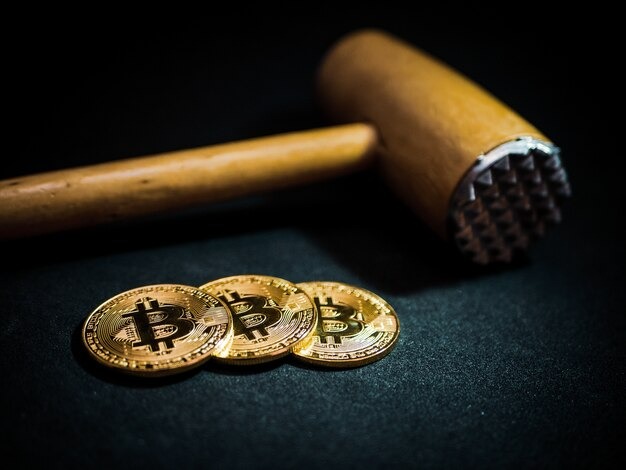
Source: Freepik
Russia has legalized cryptocurrency. Russian President Vladimir Putin has approved a new law that will make cryptocurrency mining legal in Russia starting November 1, 2024.
In coordination with the Bank of Russia, officials will establish rules for both individuals and businesses involved in digital currency mining. One key aspect of the new law is that the government will have the authority to ban crypto mining in certain regions.
This could be due to concerns about energy consumption, infrastructure limitations, or other economic factors.
The legal status of cryptocurrency in Russia has matured significantly through 2024 and 2025. While the Digital Financial Assets (DFA) law remains the foundation, new amendments have clarified the “gray zones” of the past decade.
Cross-Border Trade and Sanctions
The most significant shift is the legalization of cryptocurrency for international settlements. Faced with being frozen out of global markets, the Central Bank abandoned its anti-crypto stance to allow companies to sidestep sanctions. This allows Russian businesses to pay for imports and receive export revenues in digital currencies, provided they use regulated platforms.
The Digital Ruble
Unlike decentralized cryptocurrencies, the digital ruble is a centralized project aimed at modernizing the domestic payment system. Following extensive pilot programs, the nationwide rollout initiated on September 2025 is intended to provide a programmable, secure alternative for government transfers and retail payments.
Retail Trading and Investor Eligibility
To protect citizens from volatility, the government has introduced an eligibility test for retail investors. Only “qualified investors” will have access to a broad range of altcoins. For the general public, the Central Bank is expected to limit trading to a “white list” of high-cap assets, likely including Bitcoin, Ethereum, and potentially Solana or Toncoin.
Businesses and entrepreneurs mining cryptocurrency in Russia must register with the Ministry of Digital Technology. However, regular citizens mining at home won’t need to register if their electricity use stays within government limits.
Anyone mining digital currency must report their earnings and wallet addresses to Russia’s Financial Monitoring Service.
The new law bans the public sale of cryptocurrencies in Russia. It also prohibits offering goods or services that help with cryptocurrency circulation.
Additionally, advertising digital currencies or any related services is not allowed. The new law allows foreign digital financial assets to be traded on Russian blockchain platforms. However, the Bank of Russia can ban specific assets if they pose a risk to financial stability.
The Central Bank can also set extra rules for foreign digital assets and decide who can buy them. This makes it easier to connect Russian digital financial assets with foreign systems. Russian citizens need special approval to purchase these assets.
Russian companies issuing these assets must include in their rules whether the assets can be used in systems that don’t follow Russian laws.
Factors Driving Crypto Adoption in Russia
Cryptocurrency adoption in Russia has been growing rapidly, despite regulatory challenges and government restrictions. Many Russians are turning to digital currencies like Bitcoin and Ethereum for various reasons. Here are some factors driving this trend.
Economic Uncertainty and Sanctions
Western economic sanctions have limited Russia’s access to global financial systems, making it harder for businesses and individuals to conduct international transactions. But Russian companies evade penalties by increasingly using Bitcoin for international transaction
Faced with Western challenges in international trade, Russian President President Vladimir Putin signed legislation legalizing the experimental use of cryptocurrencies in international payments and Forex transactions.
“Cryptocurrencies will offer an alternative, allowing Russians to move money across borders without relying on traditional banks.”
Inflation and Currency Devaluation
The Russian ruble has experienced fluctuations and devaluation over the years. Many people see cryptocurrencies as a way to protect their savings from inflation. Unlike traditional money, Bitcoin and other digital assets are decentralized and less affected by government policies.
Rising Public Awareness
More Russians are learning about cryptocurrency through social media, online forums, and global news. A recent survey found that nearly one-fifth of Russians have used cryptocurrency, while more than 65% are aware of them but lack detailed knowledge.
Mining Opportunities
Russia has a cold climate and access to cheap electricity in some regions, making it a favorable place for cryptocurrency mining. Many individuals and businesses see mining as a profitable opportunity, leading to an increase in mining activity.
Development of Blockchain Technology
Russia is exploring blockchain technology for various applications, including finance, supply chain management, and government services. As blockchain adoption grows, more people are getting involved in crypto-related activities.
Challenges to Crypto Adoption in Russia
Cryptocurrency adoption is growing in Russia, but it faces several challenges. While digital currencies offer many benefits, legal restrictions, economic uncertainty, and technical barriers make it difficult for people and businesses to fully embrace crypto.
Here are some key challenges Russia faces in adopting cryptocurrency.
Unclear Regulations
Russia has complex and changing laws about cryptocurrency. While crypto transactions are allowed, using digital currencies for payments is banned. The government is still deciding how to regulate crypto, creating uncertainty for businesses and investors.
Restrictions on Mining
Russia has a favorable environment for crypto mining due to its cheap electricity and cold climate. However, the government is introducing new rules that could limit mining in certain regions. Miners may also have to follow strict reporting requirements, making it harder to operate legally.
Banking Limitations
Russian banks do not offer crypto-related services, and people cannot use digital currencies to pay for goods and services. Without support from the banking system, it is difficult for individuals and businesses to use crypto in everyday transactions.
Impact of Economic Sanctions
Western sanctions restrict Russia’s access to international financial systems. While some Russians turn to crypto to bypass these restrictions, major global exchanges and platforms have also blocked Russian users, making it harder to trade and store digital assets.
Cybersecurity Risks
Cryptocurrency transactions cannot be reversed, making them attractive to hackers and scammers. Many Russians have lost money due to crypto fraud, phishing attacks, and exchange hacks. Without strong cybersecurity measures, crypto adoption can be risky.
Energy Consumption Concerns
Crypto mining requires a lot of electricity, which can strain power grids in certain regions. The Russian government may impose restrictions on mining to prevent energy shortages, affecting the industry’s growth.
Potential Benefits of Crypto Adoption in Russia
Here are some key benefits of crypto adoption in Russia.
Protection Against Inflation
The Russian ruble has faced devaluation over the years, making it harder for people to maintain their savings. Cryptocurrencies, especially Bitcoin, are seen as a hedge against inflation because they are decentralized and have a limited supply.
Financial Independence
Crypto allows people to store and transfer money without relying on banks. This is especially useful in regions where access to traditional banking services is limited. With crypto, anyone with internet access can send and receive funds instantly.
Easier International Transactions
Due to economic sanctions, Russia has limited access to global financial systems. Cryptocurrencies provide an alternative way to conduct international transactions without restrictions from traditional banks or governments.
More Investment Opportunities
With crypto adoption, Russians have access to global investment markets. People can invest in digital assets, decentralized finance (DeFi) projects, and non-fungible tokens (NFTs), opening up new ways to grow wealth.
Development of Blockchain Technology
Russia is actively exploring blockchain technology for various uses, including finance, supply chain management, and government services. Crypto adoption encourages innovation and helps build a stronger digital economy.
Current Crypto Usage in Various Sectors in Russia

Source: Freepik
While crypto cannot be used for everyday payments, different industries are finding ways to integrate digital currencies and blockchain technology. Here’s how crypto is currently being used in various sectors in Russia.
Crypto Mining
Russia is one of the world’s largest cryptocurrency mining hubs due to its cheap electricity and cold climate. However, new regulations may restrict mining in certain regions, making it harder for small miners to operate
International Transactions
With Western sanctions limiting access to traditional financial systems, some businesses and individuals use crypto for cross-border transactions. Digital currencies allow them to bypass banking restrictions and move money internationally without government interference.
Gaming and Digital Assets
The gaming industry in Russia is adopting crypto for in-game purchases, digital collectibles, and NFTs (non-fungible tokens). Some blockchain-based games allow players to earn cryptocurrency, trade virtual assets, and participate in decentralized gaming economies.
Conclusion
Cryptocurrency adoption in Russia has shifted from a niche, unregulated activity to a strategic tool for national economic resilience. By moving toward a regulated market under new 2025 frameworks, the government provides the legal certainty required for institutional investment and international trade.
While the libertarian ethos of early crypto may be restricted by strict registration and reporting rules, these steps integrate digital assets into the formal financial system. The success of the digital ruble and the effectiveness of the new cross-border payment laws will define the next chapter of Russia’s digital economy.


