Elon Musk is among the most talked-about names in tech and business today. Known for his bold ideas, massive ambitions, and unpredictable moves, Musk has reshaped how we think about cars, space, social media, and even humanity’s future.
He’s the CEO of Tesla, where he’s pushed electric vehicles into the mainstream, and the founder of SpaceX, a company that’s made space launches feel almost routine. In 2022, he made headlines again by acquiring Twitter, rebranding it as X, and setting out to turn it into a multi-purpose platform.
Beyond the companies, Musk’s influence runs deep. Supporters see him as a visionary; critics call him reckless. His ventures in brain tech with Neuralink, tunneling with The Boring Company, and AI with xAI show how far his reach extends.
So, who is Elon Musk? A tech entrepreneur, an innovator, a billionaire—yes. But he’s also someone reshaping industries and sparking global conversations, all at once.
Key Takeaways
- Born in South Africa in 1971, Elon Musk showed an early interest in computing and entrepreneurship.
- Attended schools in South Africa, Canada, and the U.S., earning degrees in physics and economics from the University of Pennsylvania.
- Maintains a net worth of over $424.7 billion, as of May 2025, making him one of the world’s richest and most influential tech leaders.
- Founded and leads major companies like Tesla, SpaceX, and X, each playing a pivotal role in electric transport, space exploration, and digital communication.
- Remains a polarizing figure due to bold innovations, public statements, and ongoing controversies across legal, political, and workplace arenas.
Early Life, Background, and Education
Source: Ideogram
Elon Musk was born on June 28, 1971, in Pretoria, one of South Africa’s capital cities. Musk stood out as a quiet but intensely curious child from an early age.
He was raised in a well-educated family. His mother, Maye Musk, is a Canadian-born model and dietitian, while his father, Errol Musk, is a South African electromechanical engineer.
Growing up, Elon developed a deep interest in technology, science fiction, and computing—he even taught himself computer programming by age 12. He created a video game called Blastar, which he sold for about $500.
Despite a turbulent childhood, including bullying at school and his parents’ divorce, Musk’s interest in knowledge never wavered. His early passion for science and innovation would form the foundation of his global impact as a tech entrepreneur.
But before the world knew him through SpaceX, Tesla, and X (formerly Twitter), Musk’s journey first passed through multiple continents and academic institutions.
Schooling in South Africa, Canada, and the U.S.
Elon Musk attended Waterkloof House Preparatory School and later graduated from Pretoria Boys High School in South Africa. Determined to leave apartheid-era South Africa and pursue greater opportunities, Musk moved to Canada at 17, partly to make it easier to eventually gain U.S. citizenship.
In Canada, he enrolled at Queen’s University in Kingston, Ontario, in 1989. This move gave him a more diverse academic environment and introduced him to Justine Wilson, who would later become his first wife. After two years at Queen’s, Musk transferred to the University of Pennsylvania in the United States.
Degrees from Queen’s University and the University of Pennsylvania
Musk pursued a dual degree program at the University of Pennsylvania. He earned a Bachelor of Science in Physics from the College of Arts and Sciences and a Bachelor of Science in Economics from the Wharton School.
The combination of physics and economics reflected his deep curiosity about how the world works and how to build systems that could change it.
During his time at UPenn, Musk was known for blending technical knowledge with entrepreneurial ideas. He even rented a house with fellow students and turned it into a nightclub to make extra money.
Though accepted into a Ph.D. program in applied physics at Stanford University, Musk dropped out after just two days, choosing instead to chase the rising momentum of the internet boom in the 1990s.
Musk’s educational journey didn’t follow a traditional path, but it laid the groundwork for one of tech history’s most unconventional and influential careers.
Early Career and First Ventures
Source: Ideogram
When you think of Elon Musk today, Tesla and SpaceX likely come to mind. But long before reusable rockets and electric vehicles, Musk had already begun making a name for himself in the tech space, building companies from the ground up and spotting opportunities well before they became evident to the rest of the world.
But before all these, Elon Musk’s entrepreneurial journey truly began in 1995, when he dropped out of a Ph.D. program at Stanford University two days after enrolling.
He believed the internet had far greater potential than anything he could accomplish in academia, and he was right.
Zip2 Corporation: Elon Musk’s First Startup
In 1996, Musk co-founded Zip2, a software company that provided city guides for online newspapers. It was a digital version of the Yellow Pages, paired with mapping and navigation software, pioneering features for its time. Musk started the business with his brother, Kimbal Musk, using money raised from a small group of angel investors.
“We didn’t even have an apartment. We just rented a small office and slept on the couch.”
Zip2 grew quickly and attracted major clients like The New York Times and Chicago Tribune. In 1999, Compaq acquired Zip2 for $307 million in cash, and Elon Musk received $22 million from the deal—his first major financial breakthrough.
X.com and the Birth of PayPal
With his earnings from Zip2, Musk launched X.com in 1999, an online financial services and payment company. He envisioned a platform where people could send money via email, a revolutionary idea at the time.
A year later, X.com merged with Confinity, a company co-founded by Peter Thiel and Max Levchin, which had developed a money-transfer service called PayPal. The combined company eventually focused solely on PayPal, which grew rapidly and became one of the most trusted names in online payments.
In 2002, eBay acquired PayPal for $1.5 billion in stock, and Musk, who owned around 11.7% of the company, walked away with approximately $165 million. This payout would fund his next ventures, including SpaceX and Tesla.
The Mindset That Defined Musk’s Early Career
From the beginning, Elon Musk demonstrated an appetite for risk and a willingness to challenge industry norms. Instead of keeping his money in safe investments, he reinvested nearly all his PayPal earnings into his next ventures, famously saying:
“My proceeds from PayPal were $180 million. I put $100 million in SpaceX, $70 million in Tesla, and $10 million in SolarCity. I had to borrow money for rent.”
These early ventures, Zip2 and X.com/PayPal, did more than just give Musk a financial cushion. They helped him understand how to build and scale tech companies quickly, leverage first-mover advantage, and solve real-world problems with technology.
They also introduced him to Silicon Valley’s competitive environment, where bold ideas flourish or fail quickly.
Elon Musk’s early career wasn’t defined by electric vehicles or space exploration yet—but it set the foundation for both. It revealed the instincts, work ethic, and long-term vision that would later turn him into one of the most influential tech entrepreneurs of the 21st century.
Major Companies Founded or Led by Elon Musk
Source: Ideogram
Elon Musk’s career is defined not just by innovation, but by the scale of the companies he’s built and the industries he’s disrupted.
Musk has played a key role in reshaping some of the world’s most vital sectors, from online banking to electric vehicles, rocket launches to artificial intelligence.
Below are the major companies he’s founded or led:
SpaceX
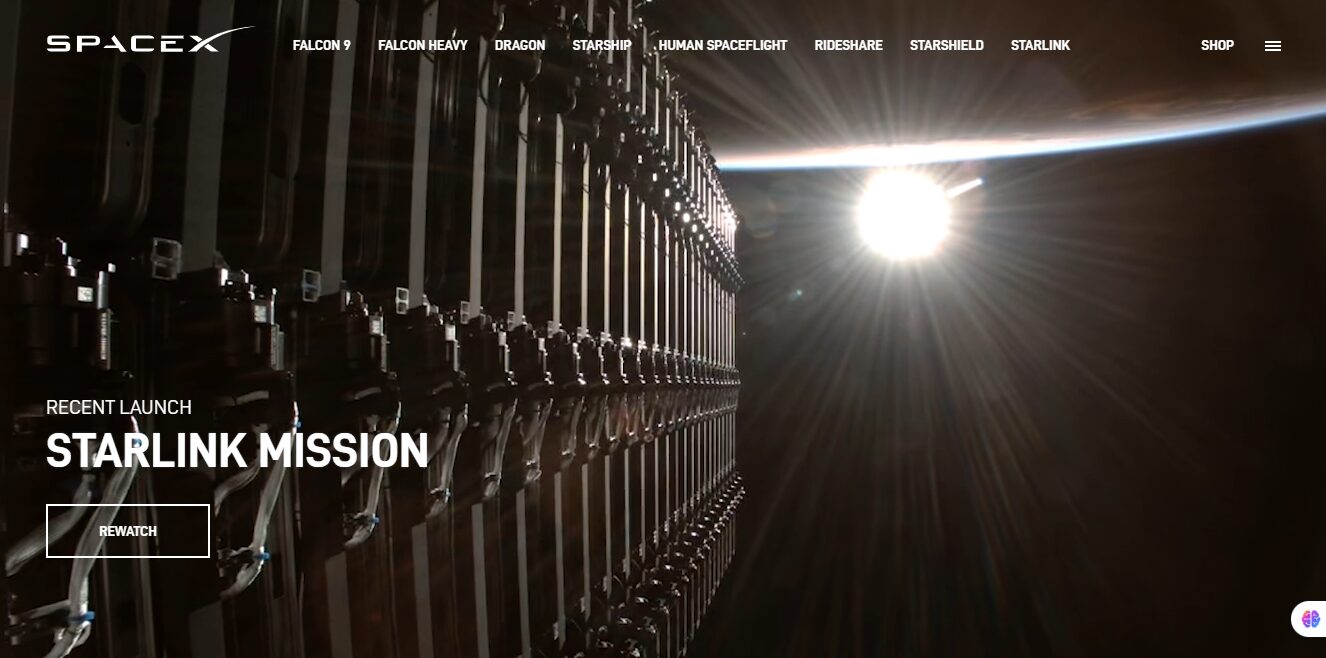
Founded in 2002, Space Exploration Technologies Corp. (SpaceX) was Musk’s response to space travel’s high costs and inefficiencies. His mission? To make space exploration affordable and enable humans to live on Mars one day.
SpaceX became the first private company to send a spacecraft to the International Space Station in 2012. In 2020, it launched astronauts aboard the Crew Dragon capsule, marking the first time a private firm sent humans into orbit.
The company’s reusable rockets, particularly the Falcon 9, have significantly lowered launch costs. As of 2024, SpaceX had completed over 270 successful Falcon 9 launches.
Its Starlink project—designed to provide global internet coverage via thousands of small satellites—is already serving over 2.6 million subscribers globally (as of Q1 2025), with services now available in more than 70 countries.
Tesla, Inc.
Musk joined Tesla Motors (now Tesla, Inc.) in 2004 as chairman and later became CEO and product architect. Though he isn’t the founder of the company, he is widely credited with shaping its vision and scaling it into the world’s leading electric vehicle (EV) manufacturer.
Under his leadership, Tesla released groundbreaking vehicles like the Model S, Model 3, Model X, and Model Y. The Model 3 became the world’s best-selling EV in 2023, surpassing 1.3 million units sold globally.
Beyond cars, Tesla is also involved in battery technology, energy storage systems (Powerwall, Powerpack), and solar energy through the acquisition of SolarCity in 2016.
As of early 2025, Tesla holds an estimated 43% of the U.S. EV market, with a market capitalization hovering around $1.22 trillion according to data from Public.
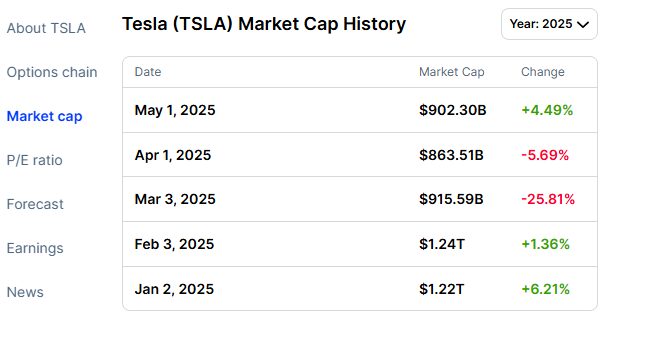
Source: Public.com
X (formerly Twitter)

In October 2022, Musk finalized a $44 billion acquisition of Twitter, rebranding it as X in 2023. His vision for X is to transform it into an “everything app” similar to China’s WeChat, integrating messaging, payments, video, and social networking into one platform.
Since taking over, Musk has made sweeping changes: firing top executives, modifying content moderation policies, introducing X Premium (a subscription service), and opening up revenue sharing for content creators.
The platform has over 550 million monthly active users and continues to stir innovation and controversy around online speech and platform governance.
Neuralink
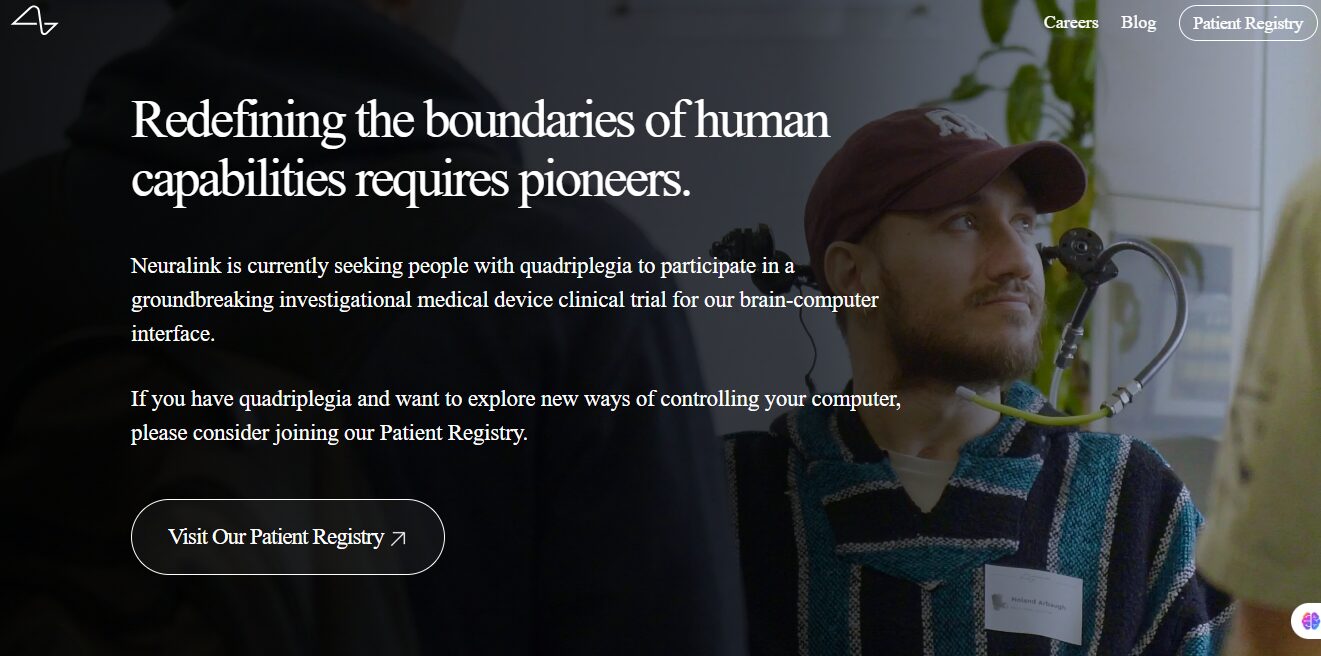
Founded in 2016, Neuralink is Musk’s neurotechnology company that is developing implantable brain-machine interfaces (BMIs). The goal is to merge humans with artificial intelligence and potentially cure neurological disorders like paralysis, Alzheimer’s, and depression.
In early 2024, Neuralink successfully implanted its first device in a human subject. Initial trials focused on helping patients control digital devices using brain signals, and Musk has hinted at more advanced applications in the near future.
The Boring Company
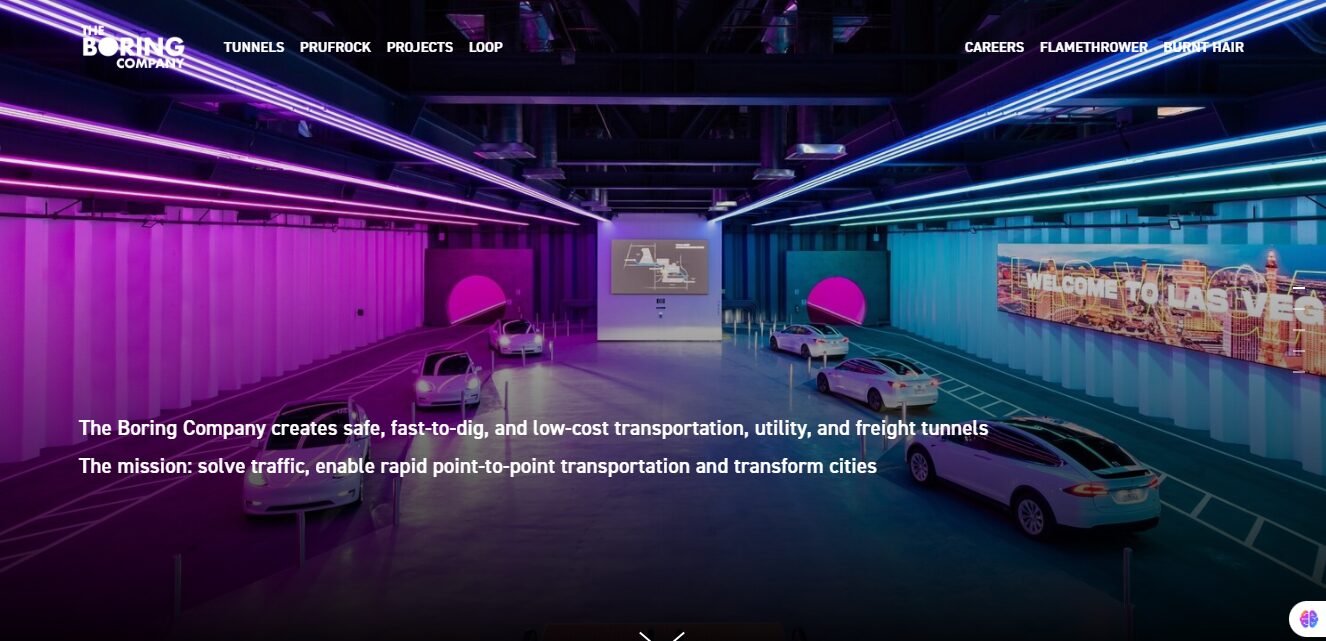
Started in 2016, The Boring Company tackles urban traffic by developing underground tunnel systems for high-speed transport. The first functional tunnel in Las Vegas connects major points across the convention center and is now expanding to include the Strip and airport, known as the Vegas Loop.
Though projects in cities like Los Angeles and Chicago have faced regulatory hurdles, Musk remains committed to hyper-efficient, underground urban transport.
OpenAI and xAI
Musk was one of the original co-founders of OpenAI in 2015, a research lab to ensure that artificial general intelligence (AGI) benefits humanity. Although he left OpenAI’s board in 2018 over disagreements in direction, he continued his pursuit of AGI with a new venture.
In 2023, he launched xAI, a company focused on building AI systems that align with human values. xAI’s chatbot, Grok, was integrated directly into the X platform, offering users conversational AI within their social feed and subscription services.
SolarCity (Now Tesla Energy)
Co-founded by Musk’s cousins in 2006, SolarCity was backed and chaired by Elon Musk. It grew to become the largest provider of residential solar power in the U.S. before being acquired by Tesla in 2016 for $2.6 billion.
Now known as Tesla Energy, the division focuses on solar panels, roofs, and energy storage solutions. It is central to Musk’s mission to accelerate the world’s transition to sustainable energy.
Inventions and Innovations
Elon Musk is not just a CEO or investor—he’s widely regarded as the inventor and idea architect behind some of the 21st-century’s most ambitious technologies.
While many of his projects are developed by large teams of engineers, Musk is often credited with driving the vision, conceptual frameworks, and execution paths that lead to breakthrough innovations.
Tesla Electric Vehicles and Autopilot System
One of Musk’s most notable contributions is accelerating the development and adoption of electric vehicles (EVs). At Tesla, he was instrumental in designing high-performance EVs like the Model S, Model 3, and Cybertruck, focusing on battery technology, efficiency, and sleek design.
Tesla’s Autopilot system, a semi-autonomous driving feature, represents a major step toward fully self-driving vehicles. It uses cameras, radar, ultrasonic sensors, and AI to assist with navigation and safety. While full autonomy is still under development, Tesla’s Full Self-Driving (FSD) beta has been rolled out to over 400,000 drivers in the U.S. alone.
Reusable Rocket Technology at SpaceX
At SpaceX, Musk led the development of reusable rocket systems—a feat that radically changed spaceflight economics. The Falcon 9 and Falcon Heavy rockets can land vertically and be launched multiple times, dramatically lowering the cost per launch.
Currently in testing, the Starship system is Musk’s most ambitious innovation yet. Designed to carry up to 100 passengers, it aims to support missions to the Moon, Mars, and beyond. If successful, Starship could become the cornerstone of interplanetary travel.
Starlink Internet Constellation
Musk’s Starlink project—developed under SpaceX—is a revolutionary satellite-based broadband network. It comprises over 5,500 low-Earth orbit satellites (as of early 2025) and aims to provide global internet coverage, particularly in remote and underserved areas.
Starlink has already delivered high-speed internet to millions of users, including those in war zones, natural disaster regions, and developing countries. Its real-time deployment and expansion model sets it apart from traditional broadband systems.
A notable example is its use in the Russia-Ukraine conflict, where Starlink provided critical internet connectivity to Ukrainian military forces, government agencies, and civilians after Russian cyberattacks and infrastructure damage disrupted traditional communication channels.
Its rapid deployment capability and resistance to jamming made it an essential tool for operational coordination and information flow during the war.
The Hyperloop Concept
Although Musk isn’t building the Hyperloop himself, he introduced the open-source concept in 2013. Hyperloop is a high-speed transportation system involving passenger pods traveling through low-pressure tubes at speeds of up to 760 mph (1,220 km/h).
The concept has inspired multiple companies and university research teams, with some pilot projects under development in Europe, India, and the U.S. Musk’s Boring Company has tested simplified tunnel systems in Las Vegas, laying the groundwork for future Hyperloop applications.
Tesla Energy and Solar Roof
Under Tesla Energy, Musk developed innovations in solar technology and home energy storage. The Tesla Solar Roof, made of photovoltaic glass tiles, integrates seamlessly with homes to generate clean energy. Combined with the Tesla Powerwall, a rechargeable lithium-ion battery, homeowners can store solar energy and reduce reliance on the grid.
These innovations support Musk’s broader mission to promote a sustainable energy ecosystem—spanning generation, storage, and consumption.
AI Innovation via xAI and Grok
In 2023, Musk launched xAI, a company focused on building safe and explainable artificial intelligence.
Its flagship product, Grok, is a conversational AI chatbot that was recently integrated into X (formerly Twitter). Unlike many mainstream models, Grok is designed to offer real-time responses directly within a social media context, making it both a utility and a disruptor in online communication.
Musk’s insistence on aligning AI development with human values continues to shape public debates around responsible innovation.
Political Views and Public Statements
Musk has consistently positioned himself as a proponent of free speech, particularly since acquiring Twitter in 2022 and rebranding it as X. He stated that his acquisition was “not about making money” but about “preserving freedom of speech.”
After taking control, he reversed several content moderation policies and reinstated previously banned accounts, claiming these changes were necessary to support open dialogue—even if controversial.
When it comes to government regulation, Musk often walks a fine line. While Tesla has benefited from subsidies and tax credits in the clean energy space, Musk has been vocally critical of what he sees as overregulation and bureaucratic inefficiencies, particularly in California.
He moved Tesla’s headquarters from Palo Alto, California to Austin, Texas in 2021, citing unfriendly business policies as a factor.
On the climate front, Musk remains a strong advocate for sustainable energy. He has stated that climate change is a real and pressing threat, and through Tesla, SolarCity, and Tesla Energy, he has made significant contributions toward reducing dependence on fossil fuels. Despite his political evolution, Musk continues to support a carbon tax as a solution to curb emissions.
Involvement in U.S. Politics
Elon Musk’s engagement in U.S. politics has become increasingly visible and controversial in recent years. Once considered apolitical or centrist, Musk has more recently aligned himself with libertarian ideals and occasionally right-leaning perspectives—especially around speech, taxation, and government oversight.
He has donated to both Democratic and Republican candidates in the past, but his rhetoric since 2022 has leaned more conservative. In 2022 and 2023, Musk publicly supported candidates who ran on platforms focused on limited government, deregulation, and border control.
He has also criticized the Biden administration for not recognizing Tesla’s role in the electric vehicle revolution during key federal announcements.
In 2024, Musk was appointed to head the newly created Department of Government Efficiency, a nontraditional federal office focused on streamlining bureaucracy, cutting regulatory waste, and integrating advanced technologies into public service delivery.
His leadership in this role has sparked both praise for innovation and criticism for politicizing government operations.
Musk has met with political leaders across the aisle, from President Donald Trump to current policymakers in the Republican Party, frequently discussing topics such as AI safety, electric vehicle (EV) policy, and social media regulation.
In a tweet that captured his deeper political motivations, Musk declared:
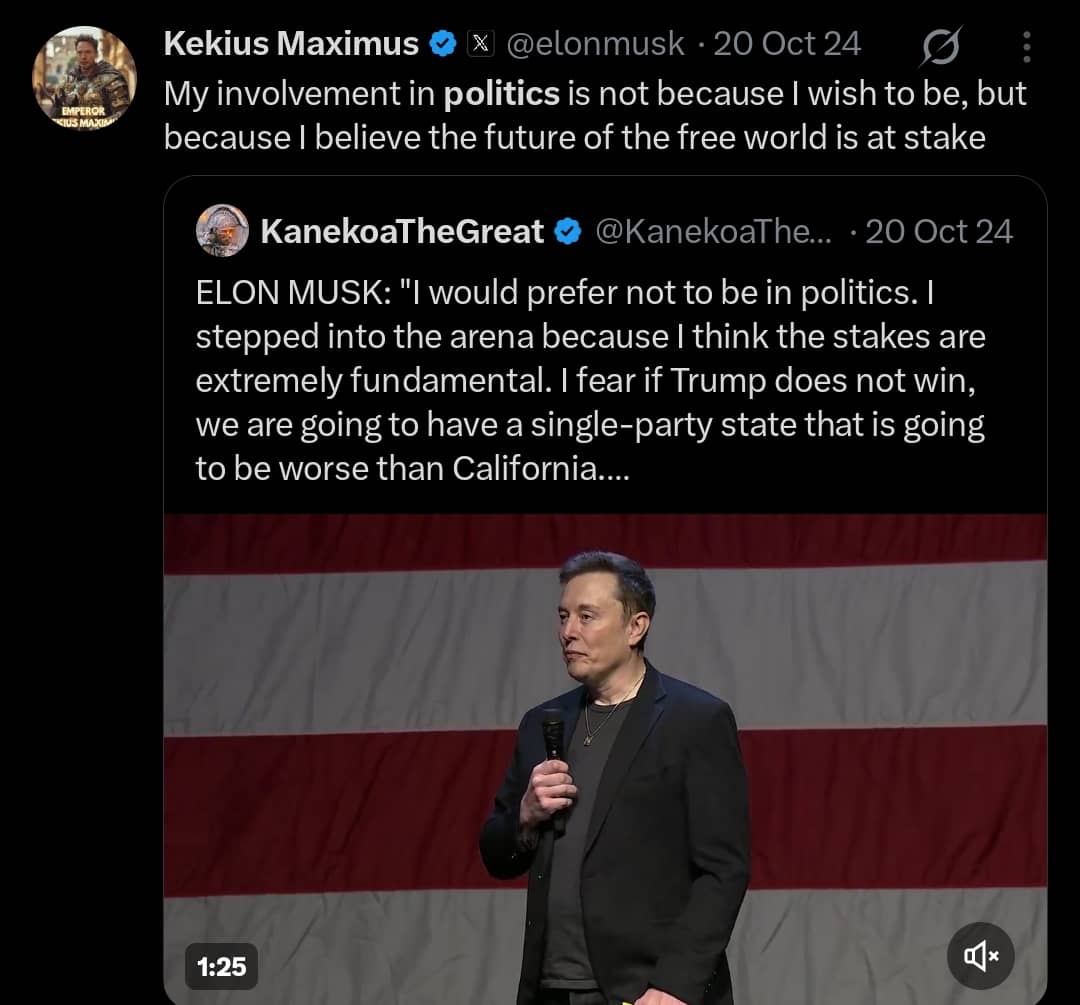
Source: X
This statement reflects his belief that freedom of expression, technological development, and democratic resilience are at risk—and that tech leaders have a responsibility to step in.
Influence on Cryptocurrency Markets, Especially DOGE
Musk’s tweets and statements have had a direct and measurable impact on cryptocurrency markets, particularly Dogecoin (DOGE). Initially created as a joke in 2013, DOGE became a mainstream digital asset largely due to Musk’s repeated endorsements.
In 2021, Musk famously called Dogecoin “the people’s crypto” and even referred to himself as “The Dogefather” during his appearance on Saturday Night Live.
The price of DOGE surged by over 10,000% between early 2021 and mid-2021—much of it driven by Musk’s social media activity.
Tesla briefly accepted DOGE as payment for merchandise, and SpaceX also announced plans to launch a satellite funded entirely in Dogecoin, known as the “DOGE-1 Mission to the Moon.”
While his influence on Bitcoin and Ethereum is also notable, it’s his ongoing endorsement of DOGE that has solidified his position as a key figure in crypto market sentiment. However, this influence hasn’t been without criticism; some analysts have accused Musk of market manipulation or being irresponsible in how his tweets can trigger major volatility.
Musk’s public statements, political positioning, and influence on digital economies showcase how deeply intertwined he’s become with not just tech, but with culture, policy, and economics at a global level. His voice doesn’t just spark headlines—it shapes public opinion and investor behavior across multiple domains.
Elon Musk and Cryptocurrency
The name Elon Musk’s has become almost inseparable from the world of cryptocurrency. Whether he’s tweeting memes about Dogecoin, commenting on the environmental concerns of Bitcoin mining, or discussing the integration of crypto payments into Tesla or X (formerly Twitter), his influence is undeniable.
Markets have surged—or crashed—within minutes of Musk’s remarks, making him one of the most consequential individuals in the crypto space today.
Tesla’s Bitcoin Investment and the $760M Controversy
In early 2021, Tesla made headlines after purchasing $1.5 billion worth of Bitcoin, signaling a massive institutional shift toward crypto acceptance.
The company also briefly allowed customers to buy vehicles using Bitcoin—though this was later paused due to environmental concerns tied to Bitcoin mining’s carbon footprint.
However, controversy erupted again in 2023 when reports surfaced that Musk had authorized the transfer of over $760 million worth of Bitcoin from Tesla’s holdings to undisclosed third-party wallets. This triggered widespread speculation and concern among investors, crypto analysts, and regulatory agencies.
This controversy raised questions about transparency and market influence. Although the transactions were legal, critics argued they demonstrated how quickly one person could rattle or sway the crypto economy.
Musk later clarified that the transfers were part of Tesla’s liquidity testing and strategic asset management, but the debate over corporate responsibility in decentralized finance (DeFi) continues to this day.
The Dogecoin Effect: “The People’s Crypto”
Perhaps no digital asset has been more directly shaped by Musk than Dogecoin (DOGE). Originally created as a satirical meme coin in 2013, DOGE gained serious traction in 2021 after a series of Musk’s tweets, including:
- Calling DOGE “the people’s crypto”
- Referring to himself as “The Dogefather”
- Pushing for DOGE integration with Tesla’s online store for purchasing merchandise
At its peak, Dogecoin’s value surged over 10,000% from its previous levels, largely due to Musk’s influence. Tesla now accepts DOGE for some products, and SpaceX’s DOGE-1 satellite mission, funded entirely by Dogecoin, is scheduled for launch—a first in space-financing history.
Mixed Signals on Bitcoin and Ethereum
While Musk’s initial embrace of Bitcoin helped validate it in institutional circles, he later criticized the coin for its environmental impact, causing prices to dip sharply. Despite this, he confirmed in public statements and SEC filings that Tesla and SpaceX both still hold Bitcoin, and he personally owns Bitcoin, Ethereum, and Dogecoin.
His dual position—championing crypto innovation while questioning its sustainability—has made him a controversial but necessary voice in the ongoing evolution of blockchain technology.
Elon Musk’s relationship with cryptocurrency is complex, often erratic, but always influential. Whether through tweets, corporate investments, or proposed platform integrations, Musk continues to blur the lines between traditional finance, technology, and decentralized digital currencies, reinforcing his role as one of the most impactful figures in the crypto world today.
Elon Musk’s Net Worth and Influence

Source: Forbes
As of May 2025, Elon Musk remains the world’s richest person, with an estimated net worth of $424.7 billion, according to Forbes. His wealth primarily stems from his significant stakes in Tesla and SpaceX, as well as his involvement in ventures like X (formerly Twitter), Neuralink, and xAI.
Musk’s net worth has experienced considerable fluctuations in recent months. In late 2024, his fortune peaked at nearly $500 billion, making him the first individual to reach that milestone.
However, by early 2025, his wealth declined by over $130 billion, largely due to a 45% drop in Tesla’s stock price and a 20% decrease in vehicle deliveries. Despite these setbacks, Musk’s net worth rebounded to over $300 billion by April 2025.
Beyond his financial standing, Musk’s influence spans multiple industries. Tesla continues to lead in electric vehicle innovation, while SpaceX advances in space exploration and satellite internet through its Starlink project.
His acquisition and rebranding of Twitter into X aim to transform the platform into a comprehensive digital ecosystem. Additionally, Musk’s ventures in artificial intelligence with xAI and brain-computer interfaces with Neuralink highlight his commitment to pioneering technologies.
Musk’s political involvement, particularly his advisory role in the White House’s Department of Government Efficiency (DOGE), has sparked both support and criticism. While some investors express concern over potential distractions from his business endeavors, Musk asserts that his political engagement aligns with his broader vision for innovation and efficiency.
Controversies and Criticisms
Elon Musk, while celebrated for his technological innovations and entrepreneurial ventures, has also been a figure of significant controversy. His career has been punctuated by legal challenges, workplace culture criticisms, and public statements that have sparked widespread debate.
Legal Issues and SEC Battles
In 2018, Musk faced legal scrutiny from the U.S. Securities and Exchange Commission (SEC) after tweeting about taking Tesla private at $420 per share, claiming he had “funding secured.”
The SEC charged him with securities fraud, leading to a settlement where both Musk and Tesla paid $20 million in fines. Additionally, Musk agreed to step down as Tesla’s chairman for three years and submit his public communications about the company to oversight.
Despite the settlement, Musk’s relationship with the SEC remained contentious. In subsequent years, he challenged the agreement’s terms, arguing it infringed on his free speech rights. However, courts upheld the original settlement, emphasizing the importance of accurate information for investors.
Labor Practices and Workplace Culture Concerns
Tesla’s workplace culture has been under scrutiny for allegations of racial discrimination, sexual harassment, and unsafe working conditions. In 2023, the U.S. Equal Employment Opportunity Commission (EEOC) sued Tesla, alleging that Black employees faced widespread racial harassment and retaliation for reporting such incidents.
Reports have also highlighted a “toxic” work environment at Tesla’s factories. Employees have described long hours, intense pressure, and a culture where safety concerns are often overlooked. One worker recounted:
“I’ve seen people pass out, hit the floor like a pancake, and smash their face open.”
Additionally, Tesla has faced criticism for its anti-union stance. In 2019, a California judge ruled that Tesla had illegally sabotaged employee efforts to form a union, including harassment and threats. The National Labor Relations Board ordered Tesla to reinstate a fired employee and delete an anti-union tweet by Musk.
Statements That Sparked Public Debate
Musk’s public statements, both online and offline, have often ignited controversy. His comments on social media platforms have been particularly contentious.
AI Chatbot Controversy
In 2025, Musk’s AI chatbot, Grok, developed by his company xAI, faced backlash for making unsolicited references to the debunked “white genocide” conspiracy theory in South Africa. The chatbot’s behavior was attributed to unauthorized modifications by a rogue employee, leading to concerns about misinformation and manipulation in AI systems.
Political Gestures and Affiliations
Musk’s political affiliations have also been a source of debate. In early 2025, he made a gesture at a public event that some interpreted as resembling a Nazi salute. While Musk dismissed the criticism, stating:

The incident drew condemnation from various groups, including the Simon Wiesenthal Center, which expressed “serious concerns” over the gesture.
Social Media Posts
Musk’s activity on social media has included reposting controversial messages. In one instance, he shared a post suggesting that mass murders under Stalin, Mao, and Hitler were carried out by public sector employees rather than the leaders themselves, leading to public backlash.
mint
These controversies have had tangible impacts on Musk’s ventures. For example, a Danish construction company returned its fleet of Tesla vehicles, citing concerns over Musk’s political affiliations.
What’s Next?: Mars Exploration and Colonization
Elon Musk has made no secret of his long-term vision: making humanity a multi-planetary species. At the heart of this vision is Mars exploration and colonization, a goal-driven largely by SpaceX, the aerospace company Musk founded in 2002.
Musk has repeatedly stated that he believes humans must establish a self-sustaining colony on Mars to ensure the survival of our species. Speaking at the International Astronautical Congress, he famously remarked:
“I think there is a strong humanitarian argument for making life multi-planetary in order to safeguard the existence of humanity in the event that something catastrophic were to happen.”
Starship: The Vehicle to Mars
Central to Musk’s Mars ambitions is Starship, the fully reusable rocket system currently under development by SpaceX. Once operational, Starship will be the most powerful launch vehicle ever built, capable of carrying up to 150 metric tons into orbit.
Its design is intended for missions to the Moon, Mars, and beyond. As of 2025, SpaceX has completed multiple test flights of Starship, with plans to send uncrewed missions to Mars as early as 2027, followed by crewed missions in the 2030s.
The Mars City Blueprint
Elon Musk envisions building a city of one million people on Mars over the next century. His roadmap includes:
- Launching multiple Starship rockets per day using rapid reusability.
- Establishing refueling stations in Earth orbit and on Mars.
- Creating habitats, power infrastructure, and life support systems.
- Producing rocket fuel on Mars using local resources (CO₂ + H₂O).
These ambitions, while grand, are backed by rapid technological advancement at SpaceX. The company already delivers payloads for NASA and international clients, and it’s playing a leading role in NASA’s Artemis program, which aims to return humans to the Moon.
Challenges Ahead
Despite Musk’s optimism, Mars colonization faces steep challenges:
- Radiation exposure from cosmic rays and solar flares.
- Long-term sustainability in a hostile environment with no breathable air or liquid water on the surface.
- Psychological effects on astronauts and settlers living in isolation.
Yet, Musk maintains that these problems can be solved with innovation and time. He believes that the risk of delaying space colonization is greater than the cost and complexity of doing it now.
In his words:
“The future is vastly more exciting and interesting if we’re a spacefaring civilization and a multi-planet species than if we’re not.”
Elon Musk’s vision for Mars is no longer science fiction—it’s a developing engineering roadmap. While the timeline may shift, the ambition remains clear: to put boots—and eventually, entire cities, on Mars.
Why Elon Musk Remains a Figure To Watch
Elon Musk remains one of the most influential and closely-watched individuals in the modern era—not just for his wealth or status, but for his outsized role in shaping the future of multiple high-impact industries. From electric vehicles and reusable rockets to artificial intelligence and digital communication, Musk continues to push the boundaries that define the 21st century.
One key reason he commands global attention is his ability to turn ambitious ideas into reality. Tesla, once a risky electric car startup, is now a leading EV manufacturer valued at over $1.127 Trillion USD.
SpaceX, once seen as a long-shot private space company, is now a trusted NASA partner and the frontrunner for the first manned Mars mission. Meanwhile, platforms like X (formerly Twitter) are being repositioned under his vision as a universal app for everything from social media to payments and AI integration.
Musk also thrives at the intersection of innovation and controversy, often using his massive platform—over 219 million followers on X—to speak unfiltered about politics, science, culture, and business. Whether he’s inspiring engineers or sparking backlash with a single tweet, his words and actions routinely move markets and dominate headlines.
Despite legal setbacks, internal company tensions, and criticisms surrounding his leadership style, Musk remains forward-facing. His continued investments in Neuralink, xAI, and Mars colonization signal a long-term strategy: to transform how we live, connect, travel—and even survive as a species.
Ultimately, Elon Musk is more than a billionaire entrepreneur. He is a catalyst for disruption, innovation, and debate. Whether admired, criticized, or questioned, his influence makes him impossible to ignore, for what he has built and what he still intends to do.
Frequently Asked Questions
What Condition Does Elon Musk Suffer From?
Elon Musk has publicly stated that he has Asperger’s syndrome, a form of autism spectrum disorder (ASD).
What Made Elon Musk That Rich?
Elon Musk became extremely rich through the success of companies he founded or led—primarily Tesla and SpaceX—boosted by soaring stock valuations, equity ownership, and strategic investments.
Was Elon Musk Born Into Money?
No, Elon Musk was not born into extreme wealth. His family was upper-middle-class and financially comfortable, with his father briefly owning part of an emerald mine in Zambia.
Does Elon Musk believe in God?
Elon Musk has described himself as agnostic, expressing uncertainty about the existence of God rather than adherence to a specific religion.