

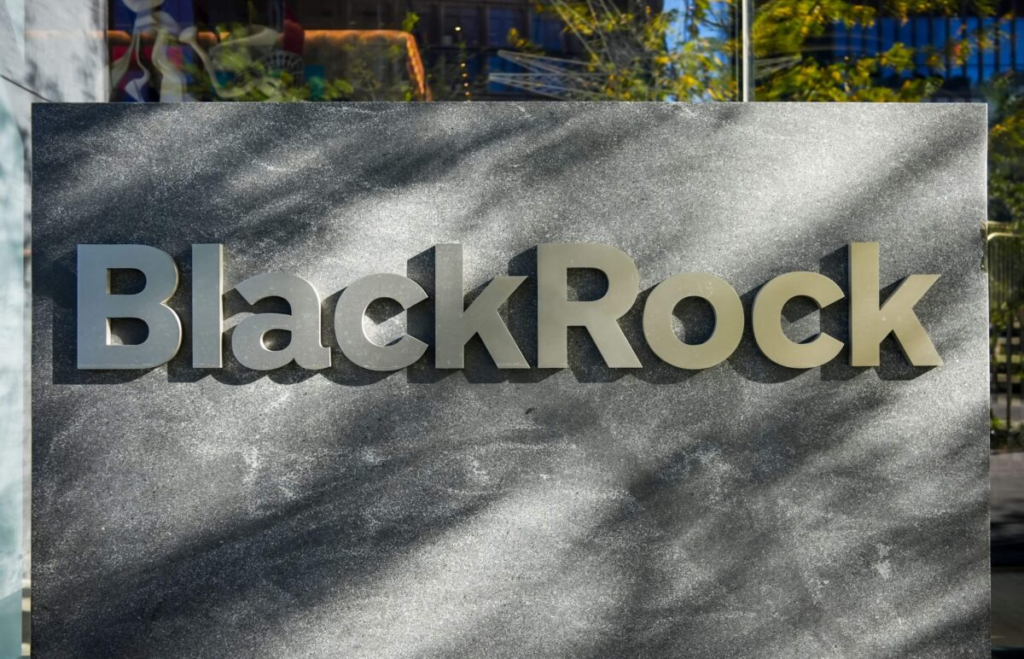
BlackRock is pushing deeper into blockchain based finance after filing new paperwork with the U.S. Securities and Exchange Commission to launch another tokenized investment fund using infrastructure provided by Securitize.
The filing, submitted on May 12, outlines a structure that would record fund ownership directly on blockchain rails through Securitize Transfer Agent, LLC rather than relying entirely on traditional financial recordkeeping systems. The move signals that the world’s largest asset manager is continuing to expand beyond crypto experimentation and into regulated onchain financial infrastructure.
Key Takeaway
- BlackRock filed with the SEC to launch another tokenized investment fund using Securitize’s blockchain infrastructure.
- The fund would track ownership onchain through Securitize Transfer Agent instead of relying solely on traditional recordkeeping systems.
- The filing builds on the success of BlackRock’s BUIDL fund, which has grown to about $2.3 billion in assets since launch.
- The move signals growing institutional confidence in tokenized real world assets and blockchain based financial infrastructure.
- Securitize continues strengthening its role as a major provider of regulated tokenization and onchain securities infrastructure.
BlackRock Expands Blockchain Based Fund Infrastructure
The proposed structure combines blockchain based ownership tracking with regulated investor onboarding and compliance systems. Securitize Transfer Agent would manage shareholder records and oversee ownership verification while maintaining regulatory standards required under U.S. securities laws.
The filing follows the rapid growth of BlackRock’s first tokenized product, the BlackRock USD Institutional Digital Liquidity Fund, commonly known as BUIDL. Since launching in March 2024, BUIDL has grown to roughly $2.3 billion in assets under management, making it one of the largest tokenized treasury products currently operating on public blockchain infrastructure.
Securitize confirmed the development publicly, describing the filing as “another step toward regulated, on-chain capital markets operating at institutional scale.”
The latest filing further strengthens the relationship between BlackRock and Securitize. BlackRock previously participated in a $47 million funding round for the tokenization firm, which has since become one of the leading infrastructure providers for regulated blockchain based securities.
BlackRock expands institutional tokenization strategy
Tokenization refers to the process of representing traditional financial assets as blockchain based digital tokens. These assets can include treasury products, bonds, real estate, private credit, and investment funds. Supporters argue the model can improve operational efficiency across financial markets by reducing settlement times, simplifying ownership transfers, automating compliance processes, and enabling around the clock trading infrastructure. Traditional settlement systems can take multiple business days to finalize transactions because of intermediary clearing processes. Blockchain based settlement systems can potentially complete transfers almost instantly while maintaining transparent ownership records.
BlackRock’s continued expansion into the sector reflects growing institutional confidence that tokenized finance could become a meaningful part of future capital markets infrastructure. The broader tokenized real world asset market has now surpassed $30 billion in total value, according to industry estimates. That growth has been driven largely by tokenized treasury products and institutional grade blockchain investment vehicles.
While BlackRock has not publicly disclosed details about the new fund’s specific asset class, fee structure, or blockchain deployment, market observers see the filing as another sign that large financial institutions are accelerating blockchain adoption.
The move also increases competitive pressure on firms including Franklin Templeton, Fidelity, and State Street, all of which have explored or launched tokenized financial products in recent years.
Securitize strengthens role in regulated blockchain finance
Securitize has steadily positioned itself as one of the main infrastructure providers connecting traditional finance with blockchain systems.
Its services include transfer agency operations, investor verification systems, token issuance infrastructure, compliance management, and regulated secondary market support. The company currently oversees more than $4 billion in tokenized assets across multiple products, including BUIDL and several tokenized treasury offerings.
Carlos Domingo, founder and CEO of Securitize, said the latest initiative is designed to support “faster on chain movement and transparency” for institutional finance products.
Outside of BlackRock, Securitize has also expanded partnerships across the broader digital asset sector. The company recently partnered with Jump Trading and Jupiter Exchange to support regulated onchain trading of tokenized equities on Solana infrastructure.
That collaboration combines Securitize’s regulated broker dealer and transfer agent systems with blockchain based liquidity and settlement tools, reflecting how traditional financial compliance systems are increasingly being integrated with decentralized infrastructure.
Regulatory scrutiny remains in focus
Despite rising institutional interest, tokenized securities still operate within an uncertain regulatory environment. The SEC continues evaluating how blockchain based investment products should fit within existing securities laws, including rules tied to custody standards, investor protections, settlement systems, and transfer restrictions.
BlackRock’s ability to move forward with additional tokenized structures may become an important test case for how regulators approach blockchainbased financial products at institutional scale.
For crypto markets, the filing is another sign that large Wall Street firms are increasingly viewing blockchain infrastructure as useful financial technology rather than speculative experimentation. The success of BUIDL has already demonstrated that regulated tokenized funds can attract substantial institutional capital. Analysts are now closely watching whether BlackRock eventually expands tokenization efforts into additional asset classes beyond treasury-focused products.
If adoption continues growing, tokenized funds could become a much larger segment of global financial markets over the coming years, particularly as traditional asset managers search for faster settlement systems and more efficient market infrastructure.
No related posts.