

In 2025, Germany is emerging as a top destination for crypto transactions. Several businesses across industries are increasingly accepting cryptocurrency, making it easier to use digital assets for everyday purchases.
So, whether you’re shopping for luxury fashion or ordering food online, you use your digital assets. But where exactly can you spend them, and what should you know before using them in Germany?
In this guide, we will explore why Germany is becoming a prime destination for crypto spending, and some of the best places and platforms to use your cryptocurrency.
Best Places and Platforms to Spend Crypto in Germany
With more businesses adopting cryptocurrency as a payment method, there are plenty of places in Germany where you can spend your digital assets. From food services to luxury fashion retailers, here are some of the best options to use your crypto:
| S/N | Best Places to Spend Crypto in Germany | Categories |
|---|---|---|
| 1. | The Catch (Berlin) | Restaurant |
| 2. | Burger King (Germany) | Food |
| 3. | Lieferando.de | Food Delivery |
| 4. | Philipp Plein | Fashion |
| 5. | Farfetch | Fashion |
| 6. | MediaMarket | Electronics |
1. Food Services (Restaurants, Eateries, and Food Delivery Services)

Alt text: Close-up of a person smiling as they see their food.
Source: freepik
The Catch (Berlin)
For those craving Japanese cuisine, The Catch in the Charlottenburg area of Berlin accepts cryptocurrency payments through the Lunu Pay Terminal. You can pay with Bitcoin and other digital currencies while enjoying a delicious meal.
Burger King (Germany)
Burger King in Germany accepts Bitcoin for online orders placed through their mobile app or website. The crypto payment is processed via partner platforms, which instantly convert Bitcoin into euros for the restaurant.
Lieferando.de (Food Delivery)
The popular German food delivery service Lieferando allows customers to pay with Bitcoin through BitPay. After the crypto is converted, the restaurant receives euros, making it easy to pay for a meal using digital assets.
2. Fashion and Luxury Retailers

Alt text; A stylish woman with a handbag in the front of a store
Source: freepik
Germany’s high-end fashion scene is also open to cryptocurrency payments. If you’re looking to purchase luxury goods, here are some retailers where you can spend your digital assets:
Philipp Plein
German fashion designer Philipp Plein was among the first to accept cryptocurrency payments for his products. Through a partnership with Coinify, customers can use Bitcoin and other cryptocurrencies to buy items from the Philipp Plein brand both online and in-store.
Farfetch
Farfetch, a global luxury fashion retailer, partners with Berlin-based payment provider Lunu to enable cryptocurrency payments. You can use Bitcoin, Ethereum, and Binance Coin by simply scanning a QR code at checkout.
3. Electronics and Gadgets
MediaMarkt
If you’re looking to buy electronics, MediaMarkt is a great place to spend your crypto. As one of the largest electronics retailers in Germany, you can purchase a new smartphone, computer, or home appliance and pay with Bitcoin and other cryptocurrencies. MediaMarkt ensures your digital payments are secure, allowing you to shop with confidence.
Entertainment and Online Services
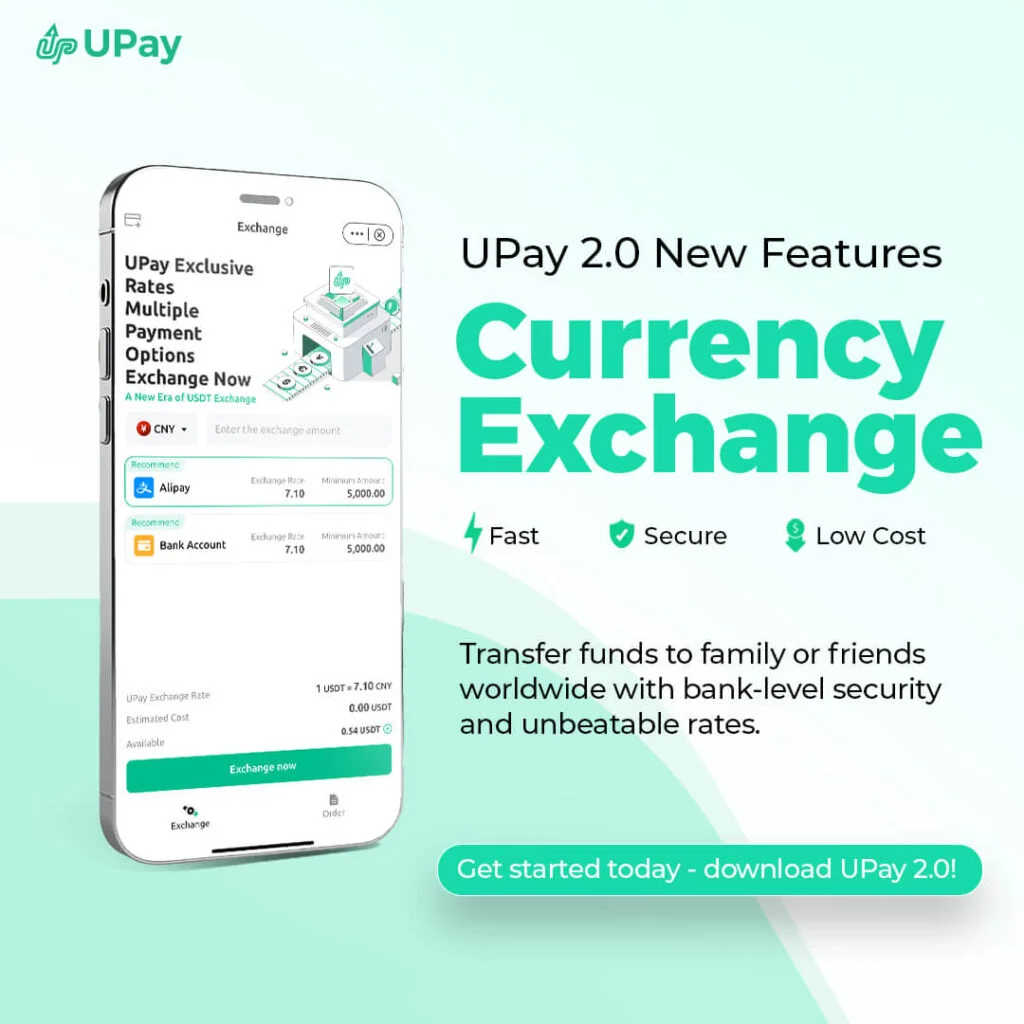
You can use UPay to convert your crypto into local currency and pay for services like Google Play, Netflix, iTunes, Steam, PlayStation Network, and Nintendo eShop. These platforms don’t accept crypto directly, but UPay allows you to buy apps, subscriptions, games, and content with Bitcoin via gift cards or third-party payments.
Why Germany is Embracing Crypto Spending

Source: freepik
1. Strong Regulatory Environment with a Tech-Friendly Mindset
Germany has long been a leader in regulating the digital economy. Its Financial Supervisory Authority (BaFin) has established a clear regulatory framework for cryptocurrency businesses.
This regulatory approach includes strict licensing for crypto service providers, ensuring a secure environment for investors. Germany’s anti-money laundering (AML) regulations also play a vital role in maintaining the safety of crypto transactions.
2. A Crypto-Oriented Urban Culture
Germany’s major cities, such as Berlin, Hamburg, and Munich, are at the forefront of crypto adoption. These cities are home to a young, tech-savvy population that embraces blockchain technology.
Several blockchain-powered spaces exist in these cities, including co-working environments like Node and digital art galleries that accept cryptocurrency. These spaces are quickly becoming hotspots for crypto enthusiasts looking for unique ways to spend their digital assets.
3. Integration with Mainstream Banking
German banks are gradually incorporating blockchain technology and digital payment solutions into their services. Major financial institutions, including Commerzbank and DZ Bank, now partner with cryptocurrency platforms to provide customers with regulated crypto trading, custodial services, and even crypto debit cards.
This integration makes it easy for users to spend their crypto just like they would with a traditional debit card.
Tips for Spending Crypto in Germany
While spending crypto in Germany is becoming more convenient, here are some tips to help you navigate the process:

Source: freepik
1. Maintain Clear Records for Tax Compliance
Although cryptocurrency is not legal tender in Germany, each transaction is taxable. Ensure you keep clear records of all your crypto transactions using apps and exchanges that integrate tracking features. This will help with tax compliance.
2. Make Use of Crypto Debit Cards
Crypto debit cards like UPay or Coinbase Cards link to your crypto wallet will allow you to spend your digital assets like a regular debit card.
3. Opt for Stablecoins for Purchases
Stablecoins, such as USDC, offer a more stable value than volatile cryptocurrencies like Bitcoin or Ethereum. Consider using stablecoins for everyday purchases to avoid fluctuations in the value of your digital assets.
4. Use Peer-to-Peer Platforms
Peer-to-peer (P2P) platforms let you directly swap crypto for goods and services with other users. This bypasses banking service fees and provides a more flexible way to use your digital assets.
5. Stay Updated with Regulations
The regulatory landscape for crypto in Germany is constantly evolving. Stay updated on changes through reliable news sources or regulatory announcements from BaFin to ensure compliance with the latest rules.
Challenges of Spending Crypto in Germany
While Germany is making strides in crypto adoption, there are still some challenges that users need to be aware of:

Source: freepik
1. Fraud and Insecurity Concerns
Crypto fraud remains a risk in Germany. In 2024, German authorities shut down 47 cryptocurrency exchanges due to illegal activities, including money laundering. Always do thorough due diligence when choosing crypto exchanges or platforms to ensure you are using reputable services. Interestingly,
UPay takes security seriously to protect users from crypto fraud. They use Two-Factor Authentication (2FA) to add extra protection to accounts. The platform also encrypts data to keep it safe and regularly checks for suspicious activity. With these steps, Upay works to keep your crypto transactions secure.
The platform ensures your crypto card program complies with all relevant regulations, with features like KYC/AML verification, transaction monitoring, and fraud prevention built in. Upay works to keep your crypto transactions secure and compliant.
2. Volatility and Unpredictability
Cryptocurrencies are known for their price volatility. The value of digital currencies can fluctuate significantly, making it challenging to rely on them for stable, everyday transactions.
3. Crypto is Not Legal Tender
While cryptocurrency acceptance is growing, it is not yet recognized as legal tender in Germany. This means you may be unable to use crypto everywhere for everyday purchases.
4. Risk of Hacking, Phishing, and Scams
The risk of being hacked or falling victim to scams is always present when dealing with cryptocurrencies. Ensure that you take steps to secure your digital assets, such as using strong passwords, enabling two-factor authentication, and keeping your private keys safe.
Popular Tools for Crypto in Germany
To make the most of your crypto experience in Germany, consider using these popular tools:
Mobile Wallets
Apps like BitPay Wallet and Coinbase Wallet allow you to store, send, and receive crypto directly on your mobile device, making transactions more accessible.
Crypto Debit Cards
Crypto debit cards like UPay cards enable you to spend crypto seamlessly. These cards link directly to your crypto wallet, converting your digital assets into euros for purchases.
Payment Apps
Payment apps such as PayPal and Sofort now support cryptocurrency transactions, allowing you to buy, sell, and hold cryptocurrencies with ease.
Conclusion
Germany is making crypto spending easier across various sectors, from retail to online services. While challenges exist, staying informed and using the right tools can help you navigate the evolving digital payment landscape. As adoption grows, cryptocurrency could play an even bigger role in everyday life.
Frequently Asked Questions
Where can I spend crypto in Germany?
You can use crypto at restaurants, fashion retailers, electronics stores, and even for food delivery services like Lieferando.
Is cryptocurrency legal in Germany?
Yes, cryptocurrency is legal but not recognized as legal tender. However, businesses can choose to accept crypto payments.
Do I need to pay taxes on crypto transactions in Germany?
Yes. Crypto transactions may be subject to capital gains tax if held for less than a year. Keeping records is important for compliance.
Can I use crypto to buy groceries in Germany?
Yes, supermarkets like REWE accept Bitcoin, making it possible to buy groceries with digital currency.
What’s the easiest way to spend crypto in Germany?
Using crypto debit cards, such as UPay or Coinbase Card, allows you to spend crypto like traditional money at supported merchants.