



Traditional debit cards and crypto cards are not in competition with each other so much as they are tools for different jobs. A traditional debit card is the right tool when you need deposit insurance, chargeback protection, and a card that pays the rent. A crypto card is the right tool when you earn in digital assets, travel often, hold stablecoins as savings, or live somewhere that makes traditional banking hard to access.
This guide compares the two honestly, including the tax mechanics that most articles skip, and helps you decide which fits your situation, or whether you should run both side by side.
Key Takeaways
- Traditional debit cards offer FDIC insurance (up to $250,000 per US bank) and chargeback rights that crypto cards do not match.
- Crypto cards charge lower foreign exchange fees (typically 0% to 1%) versus 2% to 3% on most bank-issued debit cards.
- A crypto card does not require a bank account, which matters for the 1.4 billion adults the World Bank estimates are unbanked worldwide.
- Spending volatile crypto like BTC or ETH triggers a taxable disposal event in the US, UK, and Australia; spending stablecoins makes those gains negligible.
- Many users run both: a traditional debit card for rent, utilities, and disputable purchases, and a crypto card for travel, international online shopping, and crypto income.
- Upay supports BTC, ETH, USDT, and USDC at 55 million-plus Visa merchants worldwide, with no bank account required.
Why a Crypto Card Solves Problems Banks Cannot

Source: Emir
Crypto cards exist because traditional banking cannot address several real problems well. If any of these apply to you, a crypto card is worth a serious look.
- No bank account required: The World Bank estimates around 1.4 billion adults globally are unbanked. A crypto card requires only an email and ID verification, which brings global payment rails to people who cannot open a traditional account.
- Lower international fees: Traditional debit cards typically charge 2% to 3% on foreign currency transactions. Crypto cards often charge 0% to 1%, and stablecoin spending in the card’s base currency can be effectively fee-free.
- Hold value outside the banking system: If your savings sit in USDT or USDC, a crypto card lets you spend directly from that balance without first selling and transferring to a bank.
- Faster cross-border payments: Receiving crypto and spending it locally is faster and cheaper than receiving an international wire and waiting for it to clear.
- Faster setup: Getting a virtual crypto card takes minutes. Opening a traditional bank account often takes days to weeks, especially in countries with strict residency requirements.
- Potential inflation hedge: In countries with high local inflation, holding savings in BTC, ETH, or US dollar stablecoins can preserve purchasing power better than a local-currency bank account.
Crypto Card vs Debit Card: Side-by-Side Comparison
| Category | Crypto Card | Traditional Debit Card |
|---|---|---|
| Requires bank account | No | Yes |
| Accepted globally via Visa/Mastercard | Yes | Yes |
| Typical FX fees | 0% to 1% | 2% to 3% |
| Inflation hedge potential | Yes (BTC, ETH, USD stablecoins) | No |
| Deposit insurance | Generally none | FDIC $250K (US); FSCS £85K (UK) |
| Chargebacks available | No | Yes |
| Setup time for virtual card | Minutes | 5 to 10 business days |
| Worldwide ATM access | Yes | Yes (often with FX fees) |
| Online shopping | Yes | Yes |
| Tax reporting required | Yes on volatile assets | No (fiat only) |
| Crypto knowledge required | Basic | None |
Why a Traditional Debit Card Still Makes Sense
Source: Fi
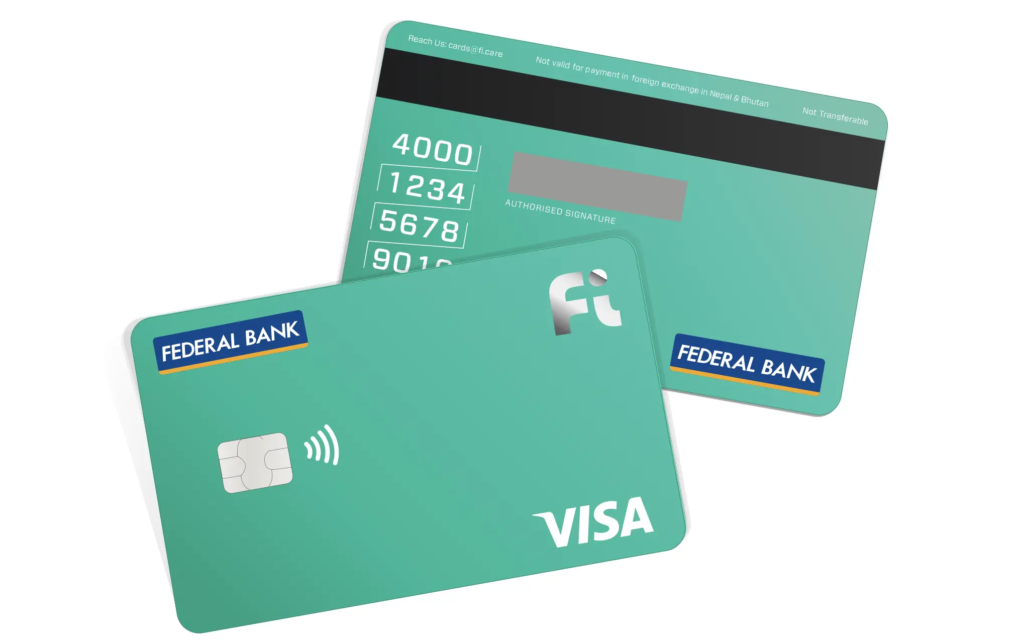
Traditional debit cards have been the backbone of everyday spending for decades, and there are clear reasons many people still prefer them as their primary payment tool.
- Deposit insurance: In the United States, bank deposits are insured by the FDIC up to $250,000 per depositor per insured bank per ownership category. In the UK, the FSCS covers up to £85,000. If the bank fails, your covered balance is protected.
- Chargebacks and dispute resolution: If you pay for something that never arrives or is not as described, you can dispute the charge with your bank and often get the money back. Crypto transactions are irreversible by design.
- Acceptance for bills and recurring payments: Utility companies, landlords, and government agencies almost universally accept bank transfers and debit cards. Some still refuse crypto cards.
- No tax tracking on each purchase: Spending fiat from a bank account is not a taxable event. You do not need to track capital gains on a $4 coffee.
- Simple and familiar: Most people already know how a bank account works. There is no learning curve around wallets, networks, or KYC flows.
Tax Implications of Using a Crypto Card
Source: OSL
This is the section most articles gloss over, and it affects the real-world cost of crypto card spending.
In the United States, the IRS treats cryptocurrency as property. Every time you spend crypto using a card, you are disposing of property, and the difference between what you paid for it (cost basis) and its value at the time of spending is a taxable capital gain or loss.
Worked example: you bought 0.01 BTC at $30,000 per coin (cost basis $300). You spend it when BTC is worth $60,000 (value at disposal $600). That is a $300 capital gain that needs to be reported.
The same principles apply in the UK under HMRC and in Australia under the ATO, with variations in how allowances and rates are calculated.
Practical Ways to Reduce the Tax Burden
- Use stablecoins like USDT or USDC for everyday spending. Their value is pegged, so gains on each purchase are usually negligible.
- Use crypto tax software to automatically import and categorise card transactions, which removes most of the year-end work.
- Keep separate records of each top-up, including the cost basis of the crypto deposited, so you can match disposals to acquisitions cleanly.
Why You Should Use Upay Crypto Card

Source: UPay
Upay sits in the ‘crypto card done well’ category. It accepts Bitcoin, Ethereum, USDT, USDC, and other major assets. It connects to 55 million-plus merchants through the Visa network. FX fees are competitive, setup takes minutes, and the app runs on both iOS and Android. ATM withdrawals work worldwide, and Apple Pay and Google Pay integration means you do not need to carry the physical card for contactless payments.
If you already hold crypto and want a practical way to spend it without juggling exchange withdrawals, bank transfers, and conversion timing, Upay is worth a serious look.
Frequently Asked Questions (FAQs)
Can I have a crypto card and a regular debit card at the same time?
Yes, and many people do. There is no rule against it. You choose which card to use based on the specific purchase, the fees involved, and whether you care about chargeback protection on that transaction.
Do crypto cards have spending limits?
Yes. Most providers set daily spending and ATM withdrawal limits. These limits can usually be adjusted within the app, subject to KYC level and account type. Check the Upay app for your specific limits.
Is a crypto card safer than a traditional debit card?
Neither is universally safer. Traditional debit cards offer FDIC or FSCS insurance and chargeback rights. Crypto cards offer instant card freezing, 2FA, and tighter in-app controls. The risks are different rather than one being safer overall.
What happens to my crypto if the card provider goes out of business?
That depends on the provider’s terms and whether they hold assets in segregated accounts. Read the terms of service carefully before depositing significant amounts. This is a real risk that does not exist with FDIC-insured banks, and it is the main reason not to treat a crypto card as long-term storage.
Do I pay tax on stablecoin spending?
In most jurisdictions, spending stablecoins is technically a taxable disposal, but because the value rarely changes, gains are usually negligible or zero. Consult a tax professional for advice specific to your country and situation.
Which is cheaper for international travel: a crypto card or a debit card?
A crypto card is usually cheaper for international spending. Traditional debit cards typically add 2% to 3% in FX fees, while crypto cards often charge 0% to 1%. On $5,000 of annual international spending, that is a $100 to $150 difference.