Solo travel is one of life’s great freedoms, no compromises on itinerary, no waiting for others, no group dynamics to manage. But managing money across borders has always been the friction point. Currency exchange booths with predatory rates, international ATM fees that quietly drain your budget, and bank cards declined in countries your issuer hasn’t pre-approved, the financial side of solo travel has long been its weakest link.
Cryptocurrency changes that equation. For solo travelers, especially, the benefits are unusually well-matched to the challenges: borderless payments that work without a bank’s permission, reduced fees on international spending, and the privacy to transact without linking every purchase to a personal bank account. Add crypto debit cards that convert holdings to local fiat at the point of sale, and the barrier between digital assets and real-world travel spending has never been lower.

This guide covers everything a solo traveler needs to know about using crypto on the road in 2026, from the right wallet setup and booking platforms to the best destinations, security practices, and what to keep in mind about regulations.
Why Crypto Works Well for Solo Travelers

The intersection of solo travel and cryptocurrency isn’t accidental; the two share the same underlying appeal: independence from systems that weren’t designed with you in mind.
Reduced transaction fees. Traditional international payments involve a chain of intermediaries, each taking a cut. Foreign transaction fees of 1–3% on every card purchase, ATM fees at both ends, and unfavorable conversion rates can collectively cost a solo traveler hundreds of dollars on a long trip. Crypto transactions, particularly stablecoin transfers, can move funds across borders for cents.
No currency exchange headaches. With crypto, there’s no need to find an exchange bureau, no concern about having the right local currency, and no risk of being caught with leftover foreign notes at the end of a trip. Cross-border payments with crypto sidestep the entire currency conversion infrastructure.
Financial privacy. Unlike traditional bank cards that tie every transaction to your identity and bank, crypto payments offer greater transactional privacy — a meaningful benefit for solo travelers who prefer not to broadcast their movements or financial activity.
Banking independence. A significant portion of the world’s population remains underbanked or underserved by traditional financial infrastructure. For solo travelers venturing off the beaten path, crypto provides access to funds and payments in regions where ATMs are scarce and cards are routinely declined.
Accessibility for all travelers. Crypto debit cards require no credit history. Anyone with a funded wallet can get a card and use it globally — a genuine equalizer for travelers who might struggle to qualify for traditional travel credit cards.
As approximately 40 million digital nomads worldwide discovered, a figure that grew 147% since 2019, crypto isn’t just a payment curiosity for travelers. For a growing segment, it’s the primary financial infrastructure.
The Best Cryptocurrencies for Travel
Not all cryptocurrencies are equally suited to travel spending. Your choice depends on whether you prioritize stability, privacy, speed, or reward potential.
Stablecoins (USDT, USDC) — Best for Budgeting
Stablecoins are pegged 1:1 to the US dollar, which makes them the practical workhorse for travel spending. You know exactly what you have, your purchasing power doesn’t fluctuate overnight, and you can set a daily budget with confidence.
USDT (Tether) is the most widely used stablecoin globally and the most commonly accepted on payment platforms and crypto debit cards. If you’re only holding one crypto for travel, USDT is the pragmatic choice.
USDC (USD Coin) is similarly pegged to the dollar but is seen as more transparent in its reserves and is increasingly preferred by regulated platforms and institutional users.
Why stablecoins matter for solo travelers: Imagine booking a hostel for next week using Bitcoin, then waking up to a 15% price drop. With stablecoins, what you set aside for accommodation remains in full. For travel budgeting, volatility is the enemy; stablecoins eliminate it.
Bitcoin (BTC) — Best for Direct Acceptance and Rewards Potential
Bitcoin remains the most widely accepted cryptocurrency for direct payments worldwide. El Salvador recognizes it as legal tender; Zug, Switzerland, accepts it for public services; and platforms like Travala, AirBaltic, and CheapAir accept BTC directly for travel bookings.
For solo travelers comfortable with volatility, holding some BTC alongside stablecoins gives you exposure to price appreciation while your stablecoin balance handles day-to-day spending.
Ethereum (ETH) — Best for DeFi and Multi-Chain Access
Ethereum is the backbone of the DeFi ecosystem and is accepted on most major travel booking platforms. Its main limitation for everyday travel spending is higher and more variable transaction fees (gas), which makes it less ideal for frequent small purchases — but it’s a solid choice for larger bookings.
Monero (XMR) — Best for Privacy
For solo travelers who prioritize financial privacy above all, Monero is the gold standard. Its transaction details — sender, receiver, and amount — are fully private by design, unlike Bitcoin, which has a transparent ledger. Acceptance is more limited, but where privacy matters, XMR is unmatched.
| Crypto | Stability | Acceptance | Privacy | Best Use |
| USDT/USDC | ✓✓✓ High | ✓✓✓ Wide | ✓ Basic | Daily spending, budgeting |
| Bitcoin (BTC) | ✓ Variable | ✓✓✓ Wide | ✓✓ Moderate | Bookings, larger purchases |
| Ethereum (ETH) | ✓ Variable | ✓✓✓ Wide | ✓✓ Moderate | Bookings, DeFi access |
| Monero (XMR) | ✓ Variable | ✓ Limited | ✓✓✓ Maximum | Privacy-first transactions |
Setting Up Your Travel Wallet
A secure, practical wallet setup is the foundation of crypto travel. The goal is to separate your long-term holdings from your travel spending money — exactly as you would keep most of your savings at home and carry only a day’s spending cash in your wallet.
The Two-Wallet Approach
Main wallet (cold/hardware storage): Keep the majority of your crypto holdings on a hardware wallet (Ledger, Trezor) stored at home before you travel. This removes your main funds from any risk associated with travel, theft, phone loss, or network compromise. Never travel with your seed phrase backup; leave it in a secure location at home.
Travel wallet (hot/mobile wallet): Set up a dedicated mobile wallet: Trust Wallet, MetaMask, or a similar option funded with only what you need for your trip, plus a modest emergency buffer. This is the wallet you’ll actually use on the road.
This separation means that even if your phone is stolen or your wallet is compromised, your total loss is limited to your travel budget, not your entire crypto portfolio. Think of it as the digital equivalent of leaving your debit card at home and traveling with a separate prepaid card.
Recommended Mobile Wallets for Travel
- Trust Wallet — Multi-chain support, beginner-friendly interface, widely compatible with major tokens
- MetaMask — Best for Ethereum and EVM-compatible chains, particularly useful for DeFi access
- BlueWallet / Muun Wallet — Excellent for Bitcoin and Lightning Network payments, ideal for destinations with Lightning acceptance
Before You Leave Home
- Transfer your travel budget from cold storage to your travel wallet
- Test a small transaction to confirm everything works
- Enable all available security: biometric login, 2FA, transaction PIN
- Write down your travel wallet’s recovery phrase and leave it at home, not in your bag
Crypto Cards: The Practical Bridge
Direct crypto acceptance at merchants is growing but still far from universal. In most cities around the world, you can’t walk into a café and pay with Bitcoin directly. Crypto debit cards close that gap, they convert your crypto to local fiat at the point of sale, and the merchant sees a normal card payment.
This means you get the benefits of holding crypto (no traditional bank required, borderless funds, potential rewards) with the universal acceptance of Visa or Mastercard.
How Crypto Cards Work for Travelers
When you tap or swipe a crypto debit card abroad:
- The card provider converts the required amount of your crypto (USDT, BTC, ETH, etc.) into the local currency in real time
- The merchant receives fiat as normal — no crypto knowledge required on their end
- You spend from your crypto balance without paying traditional FX conversion fees
Read Also: Fees Associated with Crypto Debit Cards
What to Look for in a Travel Crypto Card
For solo travelers specifically, these features matter most:
| Feature | Why It Matters for Solo Travel |
| Zero foreign transaction fees | Eliminates the 1–3% per-purchase cost of traditional bank cards abroad |
| Wide geographic acceptance | More countries supported = more destinations covered |
| Multi-currency/crypto support | Flexibility to hold USDT, BTC, ETH, and spend whichever is most practical |
| Virtual card for online bookings | Book accommodation and transport securely without exposing physical card details |
| Instant card freeze | Critical for solo travelers — if your phone is lost or stolen, you can freeze the card immediately |
| No ATM fees (or generous limits) | Important for destinations where cash is still king |
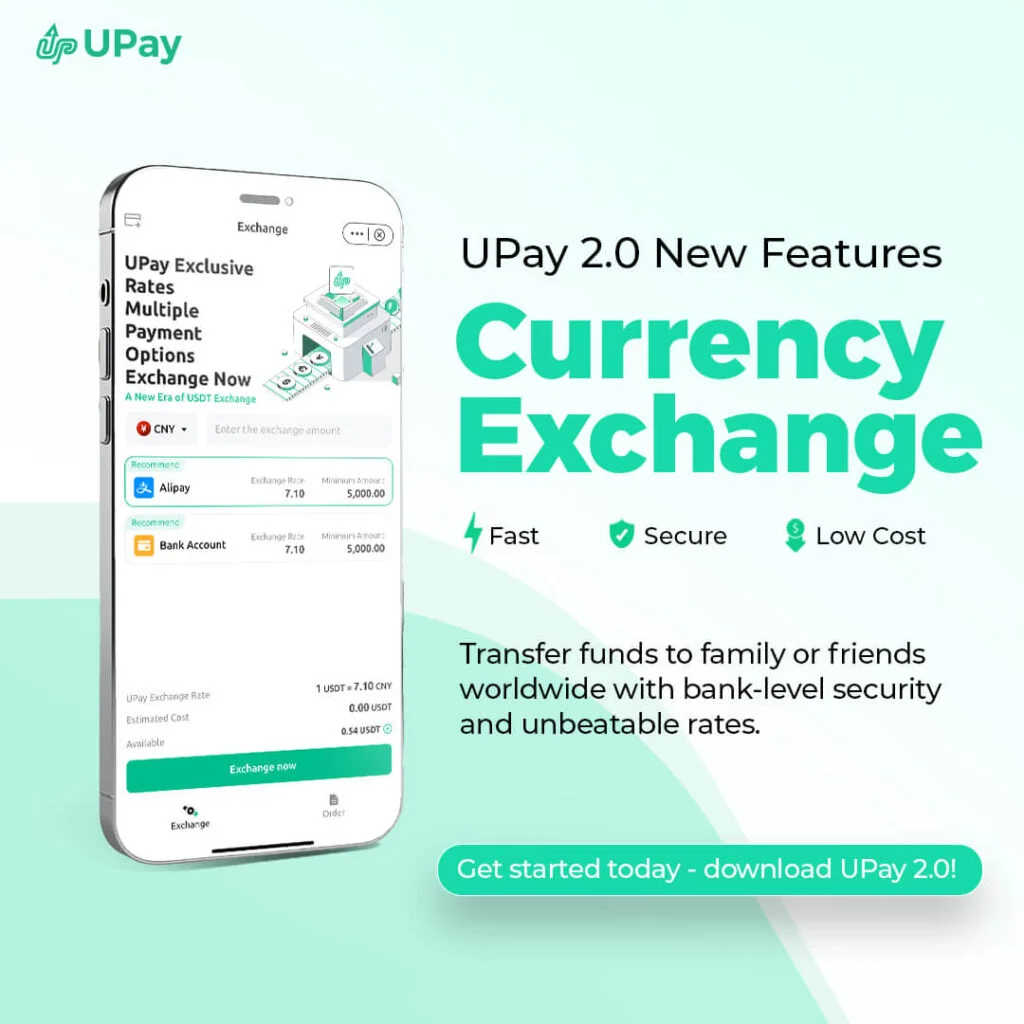
The UPay crypto card is available in 168+ countries, supports major cryptocurrencies including USDT, and offers zero cross-border transaction fees — making it one of the most globally accessible options for solo travelers.
For a deeper look at how to use crypto cards abroad, see our guide on whether you can use crypto credit cards anywhere.
Booking Flights, Hotels, and Experiences with Crypto
The number of platforms accepting crypto directly for travel bookings has grown significantly. Here’s where to look:
Accommodation
Travala is the leading blockchain-native travel platform, offering access to over 3 million hotels, flights, and activities worldwide with direct payment in 100+ cryptocurrencies, including Bitcoin, Ethereum, and USDT. It also offers its own AVA token rewards program — meaning frequent bookers earn crypto back on top of their bookings. Travala consistently lists among the top options for crypto-native travel booking.
CryptoCribs caters specifically to the crypto community, allowing users to book vacation rentals directly with various cryptocurrencies. It’s particularly strong for longer stays and apartment-style rentals, making it well-suited for solo travelers planning extended time in a single destination.
Flights
AirBaltic was the world’s first airline to accept Bitcoin directly, starting in 2014, and has since expanded to multiple digital currencies. Passengers can purchase tickets on the AirBaltic website using crypto.
LOT Polish Airlines also allows direct crypto purchases for tickets, representing a growing trend of traditional carriers entering the space.
CheapAir is a US-based flight booking platform that has accepted Bitcoin for years and is one of the more straightforward options for booking flights with crypto.
For broader options, Travala aggregates flight inventory and accepts crypto payment, making it a practical one-stop shop for both flights and accommodation.
Experiences and Activities
Crypto acceptance for tours, activities, and local experiences is more fragmented — but growing quickly in destinations with strong crypto ecosystems (see Section 6). Platforms like Bitcoin.Travel aggregate crypto-friendly accommodation and experiences across destinations, and community resources like BTCMap.org help solo travelers identify local businesses accepting Bitcoin and Lightning Network payments.
Important: When booking travel with crypto, note that most transactions are irreversible. Unlike a credit card booking where you can dispute a charge, a crypto payment is final. Always book directly on reputable platforms, and read cancellation policies carefully before paying.
Crypto-Friendly Destinations for Solo Travelers
Acceptance varies dramatically by destination. Some cities have genuine, broad-based crypto ecosystems; others have surface-level marketing with little practical adoption. Here’s where your crypto genuinely goes further:
Europe
Lisbon, Portugal has become one of Europe’s most crypto-friendly cities, with cafés, coworking spaces, and even landlords accepting Bitcoin and stablecoins. Portugal’s progressive stance on crypto has made Lisbon a hub for digital nomads. The D7 Visa makes longer stays accessible, and the city’s growing Web3 community means crypto meetups and events are regular fixtures.
Zug, Switzerland (“Crypto Valley”) is home to hundreds of blockchain startups and is one of the few places in the world where you can pay for public services and even train tickets with Bitcoin. The Swiss legal framework provides genuine clarity for crypto users, and the town’s concentration of blockchain companies means broad practical acceptance.
Prague, Czech Republic offers a rich cultural experience alongside a growing number of luxury restaurants, hotels, and businesses accepting cryptocurrency. The GoCrypto network has enabled broad merchant acceptance across the country, making Prague one of Central Europe’s most practical crypto travel destinations.
Ljubljana, Slovenia is often cited as Europe’s most crypto-forward city by per-capita acceptance, with over 1,000 merchants accepting digital payments from cafés to pharmacies — largely through the Eligma/GoCrypto payment network.
Middle East
Dubai, UAE has built one of the world’s most sophisticated crypto regulatory environments and has positioned itself aggressively as a crypto hub. Over 650 firms are licensed under Dubai’s crypto regime, and real-world crypto acceptance spans hotels, restaurants, and retail. Emirates airline has even explored accepting crypto for flight bookings. The UAE’s zero personal income tax policy makes it a top destination for crypto-earning nomads.
Central America and Latin America
El Salvador made Bitcoin legal tender in 2021, the first country in the world to do so. While the 2025 IMF-linked reform made merchant acceptance voluntary rather than mandatory, Bitcoin remains deeply embedded in daily life, particularly in El Zonte (nicknamed “Bitcoin Beach”), where BTC is accepted for everything from surf lessons to meals. The Lightning Network is widely used for small, fast payments.
Buenos Aires, Argentina has seen explosive crypto adoption driven by the country’s chronic currency instability. Stablecoins are a genuine economic lifeline for many Argentinians, and the city has a vibrant, practical crypto ecosystem for travelers who want to spend digital assets in everyday contexts.
Asia
Bali, Indonesia is among the most popular digital nomad destinations globally, with coworking spaces, cafés, and accommodation providers increasingly accepting crypto. Canggu in particular has a dense concentration of crypto-friendly businesses and a large community of nomads using digital assets daily.
Chiang Mai, Thailand has long been a nomad haven for its low cost of living and strong community. Note that while Thailand has a regulated framework allowing crypto trading, using crypto for day-to-day merchant payments remains legally ambiguous — crypto cards converting to fiat at point of sale are the safer practical choice here.
Singapore offers clear regulations and growing merchant acceptance, particularly in hospitality and tech-adjacent businesses, with a pro-innovation stance from financial authorities.
Check local rules before you go. Regulations vary enormously and change frequently. Some countries (China, for example) prohibit crypto transactions entirely. Always research the current legal status of crypto at your destination before relying on it as a primary payment method. See the role of cryptocurrency in lifestyle and travel for a broader overview of the regulatory landscape.
Everyday Spending Abroad with Crypto
Beyond bookings, here’s how crypto fits into the texture of daily travel:
Food and Dining
In crypto-friendly destinations, a growing number of restaurants and cafés accept BTC or stablecoins directly. BTCMap.org is a community-maintained global map of Bitcoin-accepting merchants — useful for finding the nearest crypto-friendly café or restaurant. Where direct acceptance isn’t available, a crypto debit card handles any Visa/Mastercard terminal seamlessly.
Transportation
Crypto adoption in transportation is uneven but growing. In El Salvador, Uber and local transport operators may accept BTC via Lightning. In cities with strong crypto ecosystems, rideshare apps and taxis increasingly accept digital payments. More broadly, crypto cards work for any transport payment at merchants with card terminals.
Certain platforms are also starting to accept crypto for car rentals and private transfers — worth checking at time of booking for specific destinations.
Accommodation On-the-Ground
Beyond pre-booked accommodation, some hostels and guesthouses in crypto-forward destinations now accept Bitcoin or stablecoins at check-in. Airbnb does not currently accept crypto directly, but crypto cards work for any Airbnb payment method.
Bitcoin ATMs as a Cash Backup
Bitcoin ATMs allow you to convert crypto to local fiat cash, useful in destinations where card acceptance is limited or cash is preferred. They are increasingly common in airports, convenience stores, and major city centers. Note that Bitcoin ATMs typically charge higher fees (3–8%) than other conversion methods, so treat them as an emergency fallback rather than your primary cash source.
Reward Programs
Several crypto-based travel platforms offer reward programs that let you earn crypto back on bookings — turning your travel spending into an investment in your holdings. Travala’s AVA token rewards are among the best-known, with users earning tokens on every booking that can be redeemed for future travel. Certain crypto card providers also offer cashback rewards in crypto on all spending.
Security: Protecting Your Crypto While Traveling
Solo travelers face a specific security challenge: there’s no travel companion to watch your bag, hold a second wallet, or assist if something goes wrong. Crypto security on the road requires more deliberate preparation than at home.
Before You Leave

Create a dedicated travel wallet with only your trip budget. Never use your main wallet for daily travel spending — the risk of loss is too high. Offline transaction principles can help you understand how to compartmentalize safely.
Leave your seed phrases at home. Your hardware wallet’s recovery phrase is the master key to all your crypto. If it’s in your bag and your bag is stolen, you could lose everything. Store it in a fireproof safe at home, separate from the hardware wallet itself.
Update firmware and apps. Security patches matter. Update your hardware wallet firmware, mobile wallet apps, and any crypto apps before departure.
On the Road
Never use public Wi-Fi for crypto transactions. Public networks — in cafés, airports, hotels — are vulnerable to man-in-the-middle attacks. Use your phone’s cellular data connection for any crypto transaction. If you must use Wi-Fi, use a reputable VPN (NordVPN, ProtonVPN) with a kill switch that cuts your internet if the VPN drops.
Verify wallet addresses twice before sending. Clipboard malware is a software that silently replaces wallet addresses you copy with the attacker’s address. Always verify the first and last several characters of any wallet address manually before confirming a transaction. Using QR codes where available is safer than copy-paste.
Enable every security layer available. Biometric login, 2FA, transaction PINs, spending limits. These take seconds to set up and can prevent devastating losses.
Keep quiet about your crypto holdings. Don’t advertise to strangers that you hold cryptocurrency. Social engineering attacks and targeted theft do happen, especially in tourist-heavy areas where carrying significant value is more likely.
Use a VPN consistently. Even beyond crypto transactions, a VPN protects your browsing and prevents local networks from monitoring your activity.
Keep your card freeze function accessible. Know exactly how to freeze your crypto card instantly if your phone is stolen. Practice this before you travel.
In Case of Emergency
- Know your wallet provider’s emergency contact and recovery process before you travel
- Have a backup payment method (traditional bank card or cash) that doesn’t rely on your phone or crypto
- Consider keeping an emergency stash of local currency or USD separately from your main wallet, enough for a taxi to a safe location and a night’s accommodation
Regulations and Legal Considerations
The legal landscape for crypto varies more dramatically by country than most travelers realize, and ignorance of local law is not a defense.
Countries where crypto is broadly legal and actively supported: Portugal, Switzerland, UAE, Singapore, El Salvador, Estonia, Germany, Malta, and many others.
Countries with restrictions or ambiguity: Thailand restricts using crypto as a payment method for goods and services (though trading is legal). India has historically had regulatory uncertainty. Always check the current status at the time of travel.
Countries where crypto is banned or heavily restricted: China prohibits cryptocurrency transactions. Several other countries have partial or full restrictions. Check your specific destination’s current rules via a reliable source before departure.
Customs and declaration: Some countries require you to declare digital assets above a certain value when crossing borders. This varies significantly by country, and failing to declare where required can result in seizure or penalties.
Tax implications: If you’re using crypto from a taxable jurisdiction like the US, spending your crypto may constitute a taxable disposal event, generating a capital gain or loss on the difference between your cost basis and the spending value. This applies even to small purchases. For frequent crypto spenders, maintaining a transaction log and consulting a tax professional is advisable.
For more on navigating crypto usage across borders, see our guide on cross-border payments with crypto.
Practical Tips Before You Travel
Here is a pre-travel checklist for solo travelers planning to use crypto on the road:
Wallet setup:
- Set up a dedicated travel mobile wallet with only your trip budget
- Store the bulk of your holdings in cold storage at home
- Leave your seed phrase backup at home in a secure location
- Test a small transaction to confirm the wallet works
- Enable biometric login, 2FA, and PIN
Crypto card:
- Confirm your crypto card works in your destination countries
- Know how to freeze your card instantly from your phone
- Check ATM withdrawal fees and daily limits
- Top up with your planned travel budget in stablecoins for day-to-day spending
Research your destination:
- Confirm the current legal status of crypto in each country you’re visiting
- Identify crypto-friendly merchants and ATMs at your destination via BTCMap.org
- Check if any bookings require advance crypto payment (Travala, AirBaltic, etc.)
- Research any customs declaration requirements
Security tools:
- Download a reputable VPN before departure
- Update all wallet firmware and apps
- Disable auto-connect to Wi-Fi networks on your phone
Backup plan:
- Carry a traditional bank card or a small cash reserve as an emergency backup
- Note your wallet provider’s emergency contact
- Inform a trusted person at home of your plans and emergency procedures
Frequently Asked Questions
Is it safe to travel with crypto as a solo traveler?
Yes, with proper preparation. The main risks are device theft, network compromise, and platform failure — all of which are manageable with a two-wallet setup, a VPN, and 2FA on all accounts. Keep your crypto card and travel wallet separate from your main holdings, and you limit your maximum exposure significantly.
Which crypto is best for solo travel?
Stablecoins (USDT or USDC) are the most practical for day-to-day budgeting because they hold their value. Bitcoin is the most widely accepted for direct bookings on crypto-native travel platforms. For many solo travelers, holding a mix of both — stablecoins for spending, BTC or ETH for larger planned purchases — is the optimal approach.
Can I use a crypto card everywhere?
Crypto debit cards that run on Visa or Mastercard networks work at any merchant that accepts those networks globally — which covers the vast majority of destinations. The main limitation is whether your specific card provider supports your destination country. Cards like UPay with 168+ country coverage minimize this risk.
What happens if crypto prices drop while I’m traveling?
If you’re holding stablecoins for your travel budget, price drops don’t affect your spending power. If you’re holding BTC or ETH directly, a price drop would reduce your effective budget in fiat terms. This is why stablecoins are recommended for the portion of your holdings earmarked for travel expenses.
Do I need to declare crypto when crossing international borders?
This depends on the country — rules vary significantly. Some countries require declaration of digital assets above certain values. Research the specific requirements for each country you’ll be entering before departure. Failing to declare where required can result in complications at customs.
Are there crypto-specific scams I should watch out for as a traveler?
Yes. Common travel-related crypto scams include: fake crypto exchange kiosks (particularly in tourist areas), phishing websites mimicking legitimate booking platforms, strangers offering to exchange your crypto for cash at “favorable” rates (a common setup for theft), and fake “customer support” contacts for wallets or exchanges. Stick to platforms you’ve researched before departure, and be deeply skeptical of any unsolicited crypto-related offer.
What’s the best way to book accommodation with crypto?
Travala is the most comprehensive option, covering 3 million+ properties worldwide with 100+ cryptocurrency payment options and a rewards program. For community-style rentals, CryptoCribs is well established. For mainstream hotels in crypto-friendly cities, checking directly whether the property accepts crypto at check-in is also worth doing.