What if you could use your Bitcoin or Ethereum at the grocery store just like cash? A crypto wallet with a debit card makes that possible by linking digital assets directly to everyday payments.
Instead of keeping your crypto locked away in an exchange account or waiting for a manual conversion to fiat, these cards allow instant access to your funds and make them spendable anywhere Visa or Mastercard is accepted.
This article will break down everything you need to know about crypto wallets with debit cards. We will explore how they work, the different types available, their key features, and the benefits they bring for users ranging from travelers and freelancers to everyday consumers.
We will also look at the challenges such as volatility, regulations, and tax implications, while highlighting leading providers and real-world use cases. By the end, you will have a clear understanding of whether a crypto wallet with a debit card fits into your financial lifestyle and how to choose the right one for your needs.

Key Takeaways
- Crypto wallets with debit cards let people spend digital assets like regular money.
- These cards connect crypto balances to Visa or Mastercard networks for global use.
- They support both virtual and physical cards depending on the provider.
- You can fund them with crypto, stablecoins, or fiat through bank transfers.
- Risks include volatility, regulation changes, and possible account freezes.
- They are useful for everyday spending, travel, freelancers, and crypto-native income.
What is a Crypto Wallet with a Debit Card
A crypto wallet with a debit card is a service that links your cryptocurrency holdings to a payment card so you can spend crypto like cash. You keep coins in the wallet and when you use the card the wallet converts the needed amount into fiat at the point of sale.
Some wallets issue physical cards you can use at stores and ATMs while others provide virtual cards for online purchases. For example, a traveler might top up bitcoin in their wallet and use the card to pay for a hotel without first moving funds through a bank.
Here is why it matters now and what makes it different from other options. It matters now because more people earn and hold crypto and they want simple ways to use it for daily payments. Unlike a traditional debit card tied to a bank account, a crypto card draws directly from your digital assets and handles conversion on demand.
Unlike crypto-only wallets that only store keys and require separate exchanges to turn coins into fiat, these wallet cards let you pay instantly without extra steps. This reduces friction for spending, but it also means you need to watch conversion fees and price swings when you pay.
Read Also: The Rise of Banks in the Crypto Wallet Space
Top 7 Crypto Wallet Debit Cards

The leading crypto wallet debit cards each bring unique perks, from cashback rewards to global access and referral programs.
1. UPay

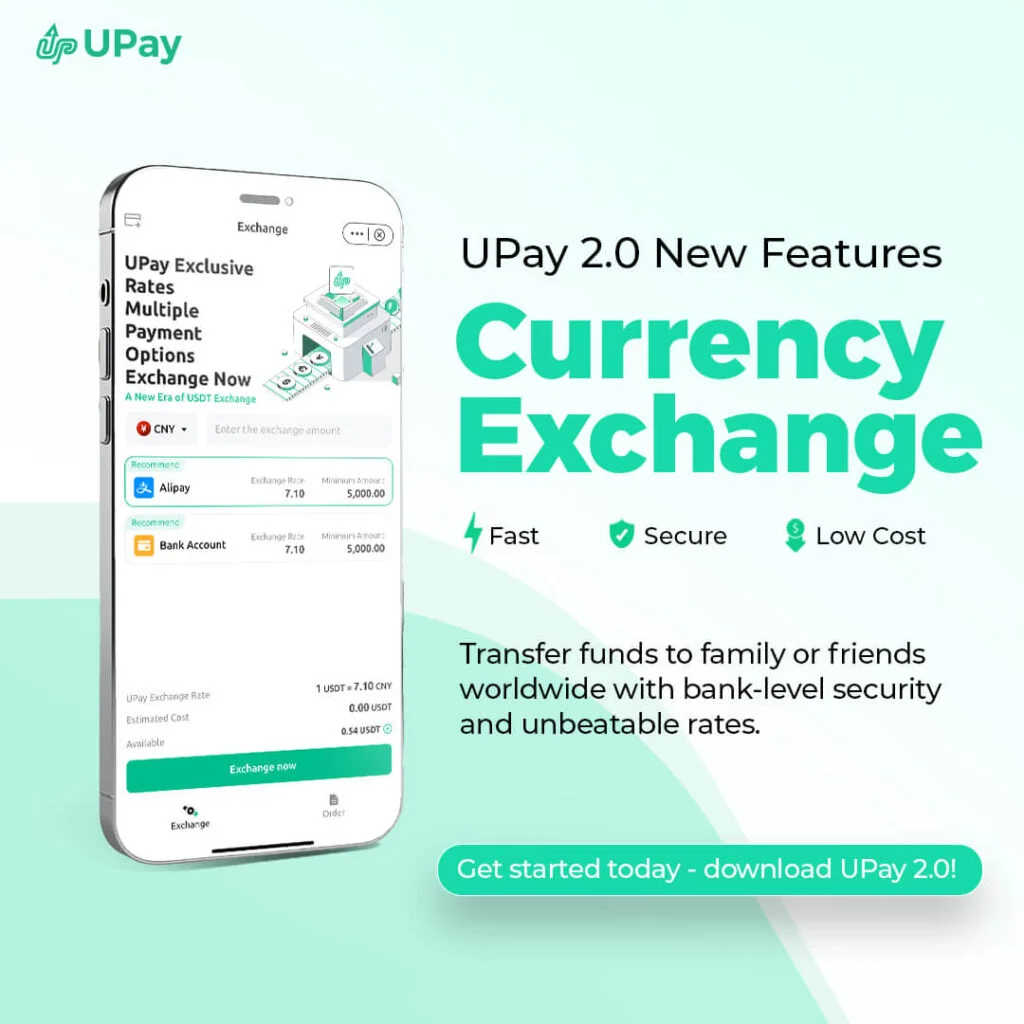
UPay is an emerging crypto debit card provider focused on affordability and ease of use. Currently, it offers virtual cards with physical cards expected soon.
One of its standout features is the launch of a supplementary card system, allowing users to issue an extra card under the same account. The supplementary card shares the primary card’s credit limit, with spending caps set by the main cardholder, and all transactions are settled through the primary account.
This setup is useful for families, business teams, or anyone who wants controlled, shared access to funds. Combined with its zero deposit fee, low transaction costs, referral program, and VIP perks, UPay is aiming to create a flexible and budget-friendly option for users entering the crypto payments space.
Pros
- Very low deposit fee at 0%, making it cost-effective to fund the card.
- Competitive transaction fee of 1% with active promotions lowering FX costs.
- Supports virtual cards now with physical cards expected soon.
- Attractive referral program offering unlimited 1 USDT per invite.
- VIP program offers reduced fees and access to investment products.
Cons
- Only virtual cards available at present, physical cards are delayed.
- 10 USDT activation fee may deter small users despite discounts.
- FX promotions are temporary; long-term costs may rise.
- No clear geographic coverage details or usage restrictions disclosed.
- Cashback and rewards are limited compared to competitors.
2. Redotpay
Redotpay caters to both entry-level and committed users by offering virtual and physical crypto debit cards. Its main draw is affordability at the virtual card level, with activation set at 10 USDT, while the physical card comes in at a higher cost of 100 USDT.
The platform also emphasizes its referral program, which uses a tiered commission system that can benefit influencers or communities who onboard others.
Combined with welcome bonuses and promotional discounts, Redotpay positions itself as a flexible choice for users who want options across different card formats.
Pros
- Supports both virtual and physical cards with flexible options.
- Entry-level virtual card activation is affordable at 10 USDT.
- Offers free 5 USDT for new registrations as a welcome bonus.
- Referral program is tiered with commissions up to 40%.
- Physical card option available for broader use at merchants and ATMs.
Cons
- Physical card is expensive to activate at 100 USDT.
- FX fee is slightly higher than peers at 1.2%.
- Rewards are limited, focusing mainly on referral commissions.
- VIP levels require many referrals, which may be unrealistic for casual users.
- Ongoing costs not fully transparent beyond card and FX fees.
3. Bybit
Bybit leverages its strong exchange reputation to provide a crypto debit card that supports both virtual and physical formats. The virtual card can be activated for free, lowering the barrier for new users, while the physical card comes with a delivery fee. Bybit has positioned its card as reward-friendly,
offering up to 10% cashback across popular spending categories such as travel, dining, and fashion. Its referral program and global acceptance make it one of the more competitive options in the market for those who actively use crypto in daily transactions.
Pros
- Free activation for virtual cards reduces entry barriers.
- Cashback up to 10% across five spending categories.
- Referral rewards are generous at 20 USDT for inviter and 10 USDT for invitee.
- Well-established exchange backing ensures trust and reliability.
- Both virtual and physical cards available with global merchant coverage.
Cons
- Cashback capped at 150 USDT, limiting high spenders’ benefits.
- Physical card delivery fee is relatively high at 25–30 USDT.
- Requires a minimum spend of 100 USDT to activate referral rewards.
- Limited cashback categories may exclude some purchases.
- Terms and conditions on regional access are not fully clear.
4. KuCoin
KuCoin’s debit card service is focused on the European Economic Area, making it a region-specific solution. The card is available in both virtual and physical formats, with the virtual card application free of charge.
The highlight is its 1% cash rebate on purchases, though it comes with certain restrictions related to platform tokens and euro transactions.
As one of the better-known exchanges, KuCoin brings brand recognition and trust, but the limited geographic availability and conditions on rewards may restrict its wider appeal.
Pros
- Free application for virtual cards in supported regions.
- Simple and predictable 1% cashback rebate.
- Referral program offers equal benefits to inviter and invitee.
- Strong reputation as a global exchange platform.
- Virtual card option allows quick access for online spending.
Cons
- Availability limited only to EEA region.
- Cashback does not apply to euro transactions.
- Rewards tied to platform tokens with some restrictions.
- Cashback not valid for MCCs prohibited by the platform.
- Physical card availability and costs remain unclear.
5. Wirex
Wirex has established itself as one of the more versatile crypto debit card providers, offering both virtual and physical cards with global reach.
Virtual cards are free, and physical cards only require a shipping fee, making it accessible to a wide range of users.
Its rewards program is a major selling point, offering up to 8% cashback depending on the user’s membership tier. With extensive referral rewards and wide merchant support, Wirex is positioned as a good option for both new and experienced crypto users, though higher cashback often requires paid upgrades.
Pros
- Virtual cards are free with only shipping costs for physical cards.
- Cashback can reach up to 8% depending on upgrade tiers.
- Available in major regions including USA, UK, EEA, and Asia-Pacific.
- Extensive referral rewards up to 200 USD per user.
- Supports over 50 million merchant locations worldwide.
Cons
- Higher cashback requires paid tier upgrades.
- Rewards are issued in platform tokens, not stablecoins or fiat.
- Prohibited MCCs limit where cashback can be earned.
- Some rewards are tied to extra product usage like X-Accounts.
- Regional restrictions on promotions may confuse users.
6. Nexo
Nexo offers a debit card linked to its lending platform, allowing users to spend crypto while earning tiered cashback rewards in NEXO tokens or Bitcoin. Its system is built around account balances, with higher rewards unlocked at higher asset holdings.
The virtual card requires a $50 balance, while physical card access requires $5,000, although this option is not currently supported. For users deeply invested in the Nexo ecosystem, the card offers strong incentives and additional earning opportunities through lending and referrals, but the high entry requirements may limit adoption.
Pros
- Tiered rewards allow flexibility between NEXO tokens or BTC cashback.
- Up to 2% cashback for Platinum users, higher than most competitors.
- Supports both virtual and physical cards with crypto-backed credit lines.
- Referral program offers multiple earning tasks with Bitcoin rewards.
- Well-established lending platform adds trust and security.
Cons
- High balance requirements: 50 USD for virtual and 5000 USD for physical card.
- Cashback tiers depend on holding platform tokens, limiting flexibility.
- Physical cards currently not supported despite high balance requirement.
- Referral rewards require significant deposits, trades, or borrowing.
- Complex conditions compared to straightforward competitors.
7. Crypto.com
Crypto.com is one of the most popular providers of crypto debit cards, known for its tiered card system ranging from free options to premium metal cards. Users can choose from different tiers based on how much CRO (the platform’s native token) they stake.
Benefits include up to 5% cashback, rebates on Spotify, Netflix, and Amazon Prime, airport lounge access, and exclusive rewards for higher tiers.
The card works globally through Visa, and users can manage their card directly in the Crypto.com app. While the benefits are impressive, most perks require significant staking of CRO tokens.
Pros
- Wide range of card tiers from free to premium metal cards.
- Cashback up to 5% on spending, depending on tier.
- Extra perks like Spotify, Netflix, and Amazon Prime rebates.
- Global acceptance through Visa network.
- Well-integrated mobile app for card and wallet management.
Cons
- Higher perks require staking large amounts of CRO tokens.
- Cashback and perks reduced in recent program updates.
- Regional availability may vary, with some countries excluded.
- Benefits tied to volatile native token value.
- Physical card delivery fees may apply depending on region.
Types of Crypto Wallets Accompanied by Debit Cards

Not all crypto wallets with debit cards work the same, and understanding their types helps users choose the setup that best fits their needs.
1. Custodial Wallets with Issued Debit Cards
A custodial wallet with an issued debit card is a service where the provider holds the private keys and manages the fiat conversion and card settlement on your behalf.
You keep an account with the provider and fund it with crypto or fiat, and the provider issues a physical or virtual card that draws from that account balance when you spend.
This model works like a bank account with crypto features. It often includes built in compliance checks such as identity verification and transaction monitoring because the card is tied to regulated payment rails.
The main advantages are convenience and seamless payment flow. You do not move coins between multiple services to pay and the provider handles conversion at the time of sale.
The trade offs are control and counterparty risk. If the provider faces an outage, freeze or hack you may temporarily lose access to funds.
Many well known exchanges and service providers operate under this model and bundle card features with custodial trading and custody services.
Crypto Dedit Card Market size was valued at USD 4.5 Billion in 2024 and is forecasted to grow at a CAGR of 19.0% from 2026 to 2033, reaching USD 21.8 Billion by 2033.
2. Non-custodial Wallets Integrating Third-Party Cards
A non-custodial wallet lets you hold your private keys and control funds on chain while using a separate card service to spend. In this model the wallet links to a third party card issuer or payment gateway that performs the fiat conversion when you initiate a payment.
You keep custody for long term holdings and move only the amount you plan to spend into a spending account or smart contract that the payment partner can access at the time of payment.
This setup offers stronger self custody and reduces the amount of funds exposed to a third party. The trade off is greater setup complexity and more steps when you want to use the card.
You need to move funds between your wallet and the card partner and manage approvals or on chain transfers. This model appeals to people who want custody but also want the flexibility to spend crypto at merchants that accept cards.
3. Hybrid Models (Self-Custodied with Optional Card Support)
A hybrid model mixes self custody with custodial convenience by letting you keep most assets under your control while using a managed spending account for card transactions.
You store long term holdings in cold wallets or hardware keys and move smaller amounts into the provider managed hot wallet that powers the card. The provider then handles conversion and merchant settlement for the funds that sit in the spending account.
This approach balances control and usability. It limits exposure by keeping the bulk of funds offline while still offering near instant payments with the card.
The main operational requirement is that you move funds into the spending account before you spend. This model is useful for people who want to keep custody but avoid repeated manual conversions at the point of sale.
3. Virtual Only Debit Cards vs Physical Cards
A virtual only card exists as card details for online or in app payments and can be issued immediately with no shipping. You use it for subscriptions, online shops and in app purchases. It provides quick access to your spending ability and can be created with single use or reloadable limits for security control.
A physical card is mailed to you and works at point of sale terminals and ATMs. It is more useful for travel, cash withdrawals and in person purchases. The difference comes down to how you spend and the security features you need.
Virtual cards reduce delivery friction and are often preferred for online use while physical cards remain necessary when you need cash or want a card you can tap in stores.
Key Features and Functionalities of a Crypto Wallet Debit Card
To understand the value of a crypto wallet debit card, it helps to look closely at the features that make it practical for everyday use.
1. Supported Cryptocurrencies and Fiat Conversion
Crypto debit cards usually support a mix of major coins and stablecoins and some providers list the exact tokens they accept on the product page. For example, large issuers let you spend Bitcoin, Ether and popular stablecoins like USDC, while some providers also support dozens or hundreds of smaller tokens through their app.
When you spend the card converts crypto to fiat at the point of sale or from a preloaded fiat balance.
Some cards let you choose which token to convert or set an auto conversion rule so you do not have to swap manually before paying. Infrastructure partners power these conversions and handle settlement with Visa or Mastercard networks.
2. Real-Time Spending and Automatic Conversion Mechanisms
Real time conversion means the wallet or card partner calculates the fiat amount when you tap or click and then sells the required crypto to settle the purchase. Providers use price feeds and liquidity partners to get a conversion rate and complete the swap within seconds so merchants receive fiat.
Some systems use stablecoin rails or pre funded fiat pools to speed up settlement and reduce exposure to price swings during the payment.
Others perform an on chain transfer and convert at the time of settlement which may take longer and require additional steps. You should check how a provider handles conversion so you know if the rate is fixed at authorization or at settlement.
3. Geographic and Merchant Reach (Visa, Mastercard Network)
Most major crypto cards run on Visa or Mastercard networks which means you can use them wherever those networks are accepted. Issuers highlight merchant reach as a key benefit because global card rails let you pay at millions of merchants and withdraw cash at ATMs.
Regional restrictions still apply so not every card is available in every country and some merchants block crypto funded payments. Card pages list supported countries and any limits, so check availability before you count on the card for travel or business.
4. Top-Up Options and Funding Methods (Crypto, Fiat, Bank Transfer)
You can fund a crypto card by depositing crypto to the provider, converting crypto to fiat inside the app, or adding fiat via bank transfer, card payment or faster rails like Apple Pay. Some issuers let you preload fiat directly so the card spends from a regular balance rather than converting at checkout.
Providers also offer different top up flows based on region and compliance rules. In some places you can use instant card top ups or ACH, while in others only wire transfers or on chain deposits are available. Read the funding options carefully to avoid unexpected delays or fees.
5. Security Protocols (2FA, PINs, Insurance, FDIC/Equivalent, Custody Type)
Security for crypto cards combines standard card controls with wallet protections. Expect two factor authentication, PINs for physical card use, and the ability to freeze the card in the app. Custodial issuers usually describe their cold and hot storage practices and whether they carry insurance for assets in custody.
Fiat balances held with partner banks may be eligible for deposit insurance in some countries, but crypto holdings are not covered by traditional deposit insurance. Providers list insurance terms and limits on their legal or security pages, so check the fine print for what is insured and what is not.
6. Integration with Mobile App and Web Dashboard
Mobile apps and web dashboards are the control center for card users. They show balances, recent transactions, conversion history and settings to manage the card. Good apps let you set auto conversion rules, view real time rates and receive instant transaction alerts.
Some providers add developer friendly APIs and web hooks so businesses can integrate card functions into their systems. That matters for frequent travelers, small businesses and people who want reporting and automation rather than manual transfers. Check for features like CSV exports and accounting integrations if you need record keeping.
7. Card Management Capabilities (Freeze, Limits, Spending Categories)
You can usually freeze or unfreeze the card immediately from the app when you lose it or suspect fraud. Apps also let you set spending limits, control ATM withdrawals, and restrict merchant categories for extra control over where funds can be used.
Advanced management may include virtual card creation for single use, instant PIN changes and detailed category reporting. These tools help manage risk and budgeting when you use crypto for daily payments. Review the card controls before you sign up so you know what you can change in real time.
8. Rewards Programs, Cashback, Fee Waivers
Many crypto cards offer rewards as crypto back, staking bonuses or fee waivers for higher tier users. Rewards can come as a small percentage of each purchase paid in a chosen token or as points that convert to crypto in the app. Issuers publish reward tiers and conditions on their card pages.
Reward structures vary a lot and may require staking, subscription or minimum balances to qualify.
Compare effective net costs after rewards and fees to see if a card actually saves you money for the way you spend. Read terms on cashback rates, caps and how rewards are paid to avoid surprises.
The global Crypto Credit Card Market is projected to grow from USD 173.87 billion in 2025 to USD 341.39 billion by 2033, expanding at a robust CAGR of 8.8 %”
Use Cases & Target Audiences of a Crypto Wallet Debit Card

The real value of a crypto wallet debit card shows when we look at how it fits into everyday spending, global payments, and digital-first income.
1. Everyday Spending in Crypto Venues and Conventional Retail
Crypto cards make daily purchases simple by converting your chosen coin to local currency at checkout. You can load a spending balance in stablecoins for predictability or keep it in bitcoin or ether if you plan to spend from price gains.
Think groceries, subscriptions, ride hailing, and food delivery. In a crypto native cafe or online store that already prices in crypto, you can spend directly or still route through the card for unified tracking.
In conventional retail, the card behaves like any other card at contactless terminals and online checkouts.
People use it for small recurring payments and for household budgets where they want clear spending logs. Parents set low limits for shared cards, students top up from an exchange wallet, and side hustlers route small earnings into a spend account for weekly needs.
Read Also: A-Z of Crypto Wallet Cards: A Beginner’s Guide
2. Travel and Cross Border Purchases
Travelers use crypto cards to avoid surprise bank fees and to access multiple currencies without opening new accounts. You can hold USD stablecoins and pay in euros or pounds while the app handles conversion.
This helps when local banks block foreign card top ups or when you want to separate travel spend from your main accounts. Hotel holds, fuel pumps, and offline merchants still work because the merchant receives local currency.
For cross border ecommerce, the card lets you pay global sellers without wire transfers. You can time conversions before a trip or let the card convert in real time at checkout.
Frequent flyers set up virtual cards for bookings and keep the physical card for ATMs and stores. Small exporters also use the card to pay overseas software and ad platforms without waiting for bank approvals.
3. Gig Economy, Freelancers, Crypto Native Income
Freelancers and creators who get paid in crypto can spend income without long delays. Clients settle invoices in stablecoins and the card draws from that balance for rent, tools, and services.
This cuts the extra step of selling on an exchange and wiring funds out. Musicians, streamers, and open source contributors use the same flow to cover software, hosting, and everyday bills.
Gig workers who earn from microtasks or tips benefit from instant access. They move small amounts into a spending pocket and keep the rest in self custody.
Some split earnings by rule, sending a set percent to taxes and another to savings, while the card spends from the remainder. The result is simple cash flow and shorter time from invoice to purchase.
4. Events, Gaming, NFTs, and Emerging Crypto Ecosystems
Event organizers and attendees often deal with on chain tickets, merch, and food vendors that accept crypto. A card linked to the same wallet lets you pay vendors that only take cards while still drawing from your crypto balance.
Creators at conferences use it for booth costs, printing, and last minute supplies. NFT collectors cover marketplace fees and then pay for shipping or framing from the same app.
In gaming, players top up in game currencies with stablecoins and then use the card for marketplace purchases that require fiat settlement. Guilds and esports teams manage per diem budgets by issuing cards with limits to players and staff.
When a new app launches an on chain reward, teams can claim it and still cover travel and equipment costs through the card without moving funds through a bank first.
5. Early Adopters vs Mainstream Consumers
Early adopters care about self custody, token choice, and automation. They route income from multiple chains, set custom rules for which coin to sell first, and monitor fees closely.
They also test virtual cards, single use numbers, and spend alerts to reduce risk. For them, the card is a bridge between on chain activity and everyday life without giving up control.
Mainstream consumers want simple setup and clear costs. They prefer stablecoins for steady spending and lean on support when something breaks. They expect tap to pay to work everywhere and want easy budgeting tools.
Over time, they may move from a custodial setup to a hybrid model as they learn, but the decision often starts with availability in their region, a clean app, and predictable fees.
Benefits & Value Proposition of a Crypto Wallet Debit Card

The benefits of using a crypto wallet debit card go beyond payments and extend into rewards, education, and inclusion.
1. Convenience of Instant Fiat Access from Crypto Holdings
One of the main benefits of a crypto wallet with a debit card is that it turns your digital assets into spendable money instantly. Instead of moving coins to an exchange, waiting for a sale, and transferring to a bank account, you can use the card directly at a store or online.
This reduces time and steps, which is valuable when you need quick access to funds. A traveler who holds stablecoins, for example, can walk into a restaurant abroad and pay with the card while the app converts in the background.
The convenience also comes from not having to plan every conversion in advance. If you need cash at an ATM, you can withdraw local currency funded by your crypto balance.
If you want to cover a subscription, the system handles it like any other card payment. The value here is speed and access, making crypto useful not only as an investment but as liquid spending money.
2. Savings on Conversion Fees or Exchange Rates
Crypto cards often give more control over when and how conversion happens. Some allow you to preload fiat from your crypto at times when exchange rates are more favorable, while others convert on demand.
This flexibility can help reduce costs compared to relying on traditional banks that charge high foreign exchange fees. A person traveling with USDC in their wallet, for instance, may save money compared to using a traditional card that adds international transaction fees.
Some providers also partner with payment networks to keep spreads tighter than what smaller money changers or banks may offer.
While fees vary across cards, users often find that the ability to manage conversion themselves and avoid multiple intermediaries leads to noticeable savings, especially for frequent cross border spenders.
3. Financial Inclusion and Unbanked or Underbanked User Benefits
In regions where bank access is limited, a crypto wallet with a debit card can serve as a bridge into the financial system. People who earn or receive crypto can spend it directly without needing a traditional account.
For instance, freelancers in markets where banking services are restricted can still receive crypto payments and cover daily needs by using the card.
This also helps people who are underbanked and may not qualify for full banking services. With only a phone and a wallet app, they can hold funds securely and spend through card networks at merchants worldwide.
It opens up access to commerce, online services, and even essential payments like utilities or transport without the barriers of opening and maintaining a bank account.
4. Education and Crypto On Ramp for New Users
Crypto debit cards act as a familiar entry point for people who are new to digital assets. Many users may not understand private keys or decentralized finance, but they know how to use a debit card.
This lowers the learning curve, letting people engage with crypto in a way that feels natural and safe. A student may receive a first payment in crypto, fund the card, and pay for books or groceries without having to navigate an exchange first.
By pairing crypto with everyday tools, these cards help users gradually learn more about wallets, conversions, and digital assets.
Over time, people start exploring additional features like rewards, auto conversions, or linking multiple tokens. The card becomes not only a payment tool but also an entry point into the broader ecosystem.
5. Enhanced Spending Control and Budgeting
Crypto cards often come with detailed spending analytics that let users track where their funds go. The app usually provides instant alerts, categorized expenses, and weekly or monthly summaries.
This makes it easier to manage budgets compared to using cash or even some traditional cards. For example, someone can set a monthly limit on dining out and see exactly how much crypto was spent on that category.
These tools can also help people separate investment from spending. By moving a set portion of holdings into the card balance, users create a natural budget while keeping long term assets untouched.
Parents can issue cards with limits for children, while small businesses can track employee expenses in real time. The focus is not only on spending crypto but on managing it with greater control.
Risks & Challenges of a Crypto Wallet Debit Card
While crypto debit cards bring convenience, they also come with risks that every user should weigh before relying on them.
1. Volatility and Crypto Price Swings at Point of Sale
When you pay with a crypto card the card provider converts crypto to fiat either at authorization or at settlement. That means the fiat cost you see can change if the crypto price moves between the time the transaction is approved and the time it settles.
This creates a real risk that the amount of crypto taken from your wallet will be higher or lower than you expected, which matters for everyday purchases and larger payments.
Some providers reduce this risk by letting you preload fiat or stablecoins, lock a conversion rate at authorization, or use pre funded fiat pools.
Each option moves the exposure from price swings to other trade offs such as carrying fiat balances or accepting slower settlement. Check how a card handles conversion timing so you understand the trade offs before you spend.
2. Regulatory Uncertainty Across Jurisdictions
Regulators are still defining rules for crypto cards and that creates different requirements by country. Some regions require issuers to partner with licensed banks or e money firms and others impose limits on which tokens can be used. Because rules change, a card that works in one market may be restricted or withdrawn in another market without long notice.
This uncertainty affects product availability, fee structures and compliance checks. Issuers adapt by changing supported countries, pausing new sign ups, or altering program terms. If you travel or hold assets across borders you should confirm card availability and limits for each country you plan to use it in.
3. KYC/AML Requirements Privacy Trade Off
Card issuers must follow KYC and AML rules which means they collect identity and transaction information. To issue a card and to comply with payment networks and regulators issuers often require ID checks and ongoing monitoring of activity. That reduces anonymity compared with on chain cashless payments and creates a record of spending tied to your identity.
For some users that trade off is acceptable because it brings access to card rails and fiat. For others who value privacy it can be a reason to avoid custodial offerings or to use smaller, self custody workflows where possible. Understand what data the issuer collects and how long they store it before you apply.
4. Card Issuance Delays, Rejections, or Account Freezes
Issuers can delay card issuance while they complete identity checks or risk reviews, and accounts can be frozen for suspicious activity or compliance inquiries. That means a card may not arrive on schedule or could be blocked during an investigation. Service disruptions can occur when issuers update controls or when regulators ask for additional information. Users who rely on a single card for essential payments face practical disruption if access is interrupted.
To reduce the impact keep backup payment methods and avoid holding all funds in a single spend account. If you expect to travel or make large purchases plan ahead by preloading fiat or arranging alternative access to funds while checks clear.
5. Limited Merchant Acceptance for Certain Crypto Cards
Most crypto cards run on Visa or Mastercard rails and work where those networks accept them, but some merchants or payment processors block crypto funded transactions.
Certain online platforms, government services and regulated merchants may decline payments that originate from crypto programs. That means you may still need a traditional bank card for some purchases.
If you count on a crypto card for daily use check common merchants you visit and test the card before relying on it for critical payments. Some users keep a small fiat backup on the card or carry a separate bank card to cover any gaps in acceptance.
6. Tax Implications Capital Gains and Reporting Burden
Using crypto to pay for goods or services is a taxable event in many countries because it is treated as a sale of property. That triggers capital gains or losses based on the difference between the crypto cost basis and the market value at the time of the transaction.
You may need to track cost basis for each spend and report transactions to tax authorities. The reporting burden grows quickly if you make many small purchases with crypto.
To manage tax risk keep clear records of each conversion and consult local rules or a tax adviser. Some users choose stablecoins for spending to reduce frequent realized gains, while others set aside a portion of proceeds for tax obligations as they spend.
Regulatory & Compliance Landscape

The lack of global consistency in crypto laws impacts how and where these cards can be issued.
1. Licensing and Banking Partnerships (E money institutions, MSBs)
Crypto card programs usually need a licensed partner to link crypto rails to card networks. Issuers often partner with e money institutions, banks or registered money services businesses so they can issue cards, hold fiat balances and settle payments on Visa or Mastercard rails. These partnerships determine where a card can operate and what regulatory checks apply.
When a provider wants to expand into new markets it either secures local licenses or forms a partnership with a licensed firm. That affects fees, product features and how quickly the provider can launch. Companies that pursue bank or trust charters aim to reduce reliance on third parties and gain more control over custody and payments.
2. Consumer Protection Norms (Chargeback Rights, Insurance)
Consumer protections for crypto cards depend on how fiat and crypto are held. If fiat sits with a regulated bank or e money issuer then traditional chargeback rules and deposit protections may apply to the fiat portion.
Crypto balances are different because most jurisdictions do not treat crypto like bank deposits and coverage is limited or absent.
Card providers publish the terms on dispute handling, refunds and any insurance they carry for assets in custody. Read those terms to know if you have recourse for merchant disputes or losses caused by a provider breach.
Regulators are increasing scrutiny of rewards marketing and disclosure for card programs, so offers and caps can change.
2. Tax Treatment Across Key Markets (US, EU, Asia, Africa)
Many tax authorities treat crypto as property, which means spending crypto can trigger capital gains or losses. In the United States the IRS requires reporting of digital asset transactions and has reminded taxpayers to report sales and payments made with crypto. That creates a reporting burden for frequent card users who must track basis and market value at each spend.
Tax rules vary by country and region. Some jurisdictions treat certain stablecoin uses or small payments more favorably, while others apply standard income or VAT rules to crypto payments. If you spend crypto with a card keep detailed records or use software that captures cost basis and transaction timestamps to simplify filing.
3. KYC/AML Standards and Reporting Obligations
Card issuers and their partners must comply with KYC and AML rules which usually require identity checks and transaction monitoring. International standards from the Financial Action Task Force guide national rules and include the Travel Rule that asks providers to share originator and beneficiary details for certain transfers. That makes onboarding stricter than simple wallet creation.
Regulators also require suspicious activity reporting and may demand data sharing with other firms and authorities. Providers implement these controls through identity verification, ongoing screening and transaction thresholds that trigger reviews. Expect checks before card issuance and occasional requests for additional documents.
Central Bank Digital Currency (CBDC) Futures and Crypto Cards
Central bank digital currencies will change how retail payments work and may be integrated into card ecosystems. CBDCs are designed to function like digital cash and could be routed through existing payment rails or through new settlement bridges that connect CBDC systems with card networks. That opens options for faster settlement and lower conversion steps when paying with digital assets.
For card issuers CBDCs may be both an opportunity and a challenge. On one hand CBDC rails could reduce the need for fiat conversion and cut settlement costs. On the other hand regulators may require new technical and compliance changes to support CBDC interoperability and privacy rules. Watch pilots and standards work to see how cards evolve as CBDCs roll out.
Read Also: Upay Card vs Cryptopay: Which is best crypto card
Infrastructure and Technical Architecture of a Crypto Wallet Debit Card
Behind every crypto wallet with a debit card is a technical system that makes instant conversion and global payments possible.
On Chain vs Off Chain Conversion Processes
Crypto cards rely on either on chain or off chain conversion to turn digital assets into fiat at the moment of payment. On chain conversion happens directly on a blockchain, where tokens are swapped through decentralized exchanges or liquidity pools before being routed to a fiat partner. This method is transparent but can take longer and may incur higher network fees. For small purchases like a coffee, network delays can be frustrating if the chain is congested.
Off chain conversion uses centralized exchanges or internal liquidity reserves managed by the issuer. Here, the provider holds crypto and fiat balances and performs the swap in its own systems before settling with the merchant through Visa or Mastercard rails. This is faster and more predictable but comes with reliance on the issuer’s custody and liquidity. Users trade transparency for speed and reliability when using off chain conversion.
Backend Payment Rails: Stablecoins, Fiat Gateways, Card Networks
The backend of a crypto debit card ties together multiple payment rails to move funds from a wallet to a merchant. Stablecoins often act as a bridge asset because they reduce volatility risk and make settlement easier for issuers. Fiat gateways then handle the off ramp, converting stablecoins or other crypto into local currency. Finally, card networks like Visa and Mastercard deliver the payment to the merchant in the format they already accept.
This layered setup allows issuers to serve global users with a mix of assets. For example, a user might hold ether, the provider swaps it for USDC in the background, converts the USDC to dollars through a banking partner, and settles the transaction via Visa. Each step relies on infrastructure partners and compliance rules, which is why coverage and fees differ across providers.
Smart Contract Integration and Open APIs for Developers
Some card systems integrate smart contracts to manage rules for spending, limits, or automated conversions. This lets advanced users set conditions such as which token to sell first or to lock funds for specific expenses. Smart contracts also allow group wallets or organizations to program shared spending rules, making cards useful for decentralized teams and DAOs.
Open APIs extend these functions to developers who want to build custom dashboards, automate payroll, or connect card data with accounting systems. For instance, a freelance platform can plug directly into a card provider’s API to pay workers in crypto while giving them instant card access to spend. This technical flexibility helps expand use cases beyond retail payments and into business operations.
Scalability, Transaction Throughput, Downtime Risks
Like any financial infrastructure, crypto card systems face challenges with scale and reliability. When more users transact at once, issuers must maintain enough liquidity, bandwidth, and exchange connections to process conversions instantly. High network fees or exchange downtime can delay transactions or make small purchases uneconomical.
Providers mitigate this by maintaining reserves, routing through multiple exchanges, or batching transactions. Still, outages at a card partner, payment processor, or blockchain can temporarily block card use. This risk is why most issuers advise keeping alternative payment methods and why heavy users often balance convenience with the awareness that downtime is possible.
Emerging Trends and Future Outlook
Looking ahead, crypto debit cards are expected to move beyond simple payments and integrate deeper with DeFi, CBDCs, and tokenized assets.
1. Embedded Finance and DeFi Debit Cards
Card features are moving into wallets and apps users already use. Expect deeper links between non custodial wallets and spend accounts, and more automated conversion flows powered by liquidity partners. DeFi projects are exploring spend controls through smart contracts and shared wallets for teams and DAOs.
2. Central Bank Digital Currencies and Interoperability
CBDC pilots aim to bring digital cash to retail payments and could plug into existing card rails or new settlement paths. Card programs may route CBDC balances alongside stablecoins to speed settlement and cut intermediaries. Banks and networks are testing how to settle in USDC and similar tokens, which shows where mainstream acceptance is headed.
3. Open Banking and Account Aggregation
Open banking lets users connect bank accounts to card apps for faster top ups and better spending insights. Aggregation will pull in crypto, fiat, and rewards data into one view. Expect richer budgeting tools, automated tax tagging, and simple off ramps that respect regional rules.
4. Tokenized Real World Assets and Crypto Debit Rewards
Programs may reward spending with tokenized assets rather than only native tokens. Users could earn yield bearing stablecoins or points that convert into tokenized treasuries or commodities. This aligns rewards with assets people hold for stability and opens new savings flows inside card apps.
5. Regulatory Evolution and Cross Border Harmonization
Clearer stablecoin and digital asset rules are arriving in major markets and will shape card coverage and limits. Programs will lean on licensed partners and publish more transparent fee and reward terms. Users should expect better disclosures and broader reach in countries that finalize licensing paths for crypto payments.
Conclusion
A crypto wallet with debit card brings digital assets closer to everyday use. It allows people to spend crypto in real time, whether that means paying for groceries, booking a flight, or shopping online.
Each provider has its own approach, from low fees and cashback rewards to referral programs and regional limitations, but the goal is the same: making crypto practical. The benefits are clear for frequent travelers, freelancers paid in crypto, and anyone looking for more flexibility with their money.
At the same time, it is important to keep an eye on fees, rules in different regions, and the impact of market swings. For many, these cards are more than just a payment tool. They are a step toward blending traditional finance with the world of digital currencies.
Frequently Asked Questions
Can I use a crypto wallet with a debit card for everyday purchases?
Yes, you can use a crypto wallet with a debit card for everyday purchases just like a regular debit card, with the crypto balance automatically converted into local currency.
How does a crypto wallet with a debit card work?
A crypto wallet with a debit card works by holding your crypto in a wallet and converting it to fiat at the point of sale, so merchants receive payment in their local currency.
Are crypto wallets with debit cards safe to use?
Yes, crypto wallets with debit cards are generally safe when issued by regulated providers, as they often include security features like two factor authentication, PIN protection, and fraud monitoring.
Which cryptocurrencies can I use with a crypto wallet debit card?
The cryptocurrencies you can use with a crypto wallet debit card depend on the provider, but most support Bitcoin, Ethereum, and popular stablecoins like USDC and USDT.
Do all crypto wallet debit cards work worldwide?
No, not all crypto wallet debit cards work worldwide, as availability depends on licensing, regional regulations, and card network coverage.
What fees come with a crypto wallet debit card?
Fees with a crypto wallet debit card may include card issuance, ATM withdrawals, foreign exchange spreads, and monthly maintenance, and they vary by provider.
Can I withdraw cash from an ATM with a crypto wallet debit card?
Yes, most crypto wallet debit cards allow cash withdrawals at ATMs, with the crypto balance converted into fiat before dispensing the money.
Who should use a crypto wallet with a debit card?
A crypto wallet with a debit card is useful for travelers, freelancers paid in crypto, digital nomads, and anyone who wants instant access to their digital assets for spending.